
Nutrition Essentials for Muay Thai Fighters: Fueling Your Training in Thailand
- Date: Wednesday, February 11, 2026
- Categories: Training, Recovery, Other, Nutrition
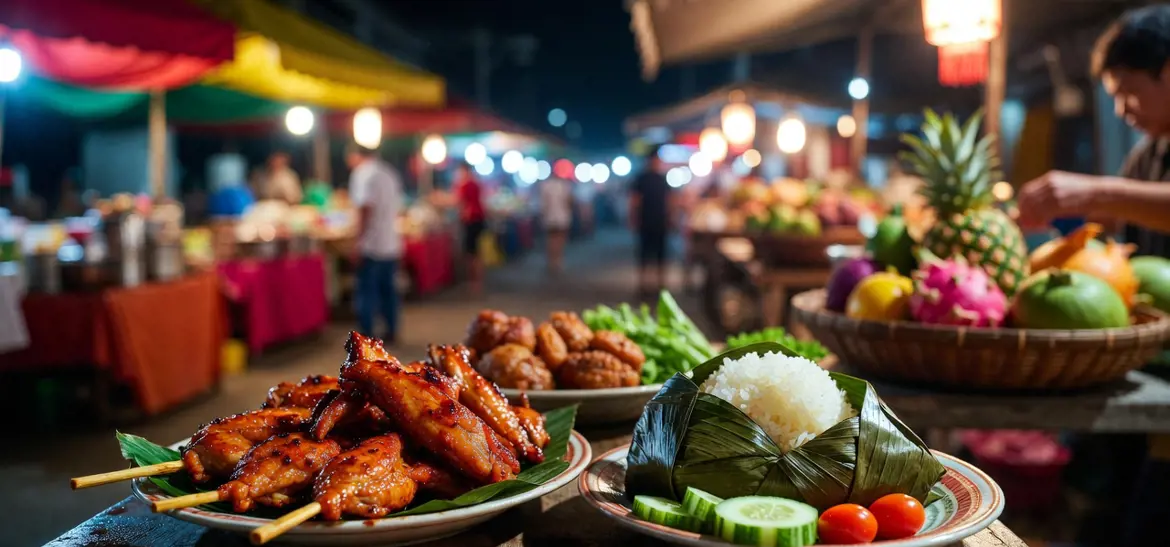
Living and training in Thailand for a few years as a Western Nak Muay, I've had to rethink a lot about how I fuel my body. Back home, it was all about protein shakes, precise macros tracked on an app, and supplements stacked like Lego. Here in Khao Lak, the game changes fast. The heat and humidity suck energy out of you quicker than a hard sparring round, portions at local spots are smaller than what I'm used to, and the food is fresh, flavorful, and cheap—but it's not always optimized for high-volume training like a Western sports nutrition plan would be. Thai fighters and locals often rely on massive amounts of rice for carbs, eggs and grilled meats for protein, and whatever veggies or fruit are around, without obsessing over whey isolate or BCAAs. They train twice a day on that simple setup and still perform like machines. The key difference? Everything's local, seasonal, and minimal processed junk. No $10 smoothies—just night market stalls and 7-Eleven runs for electrolytes.
I've adapted by blending that traditional Thai approach with what I know works from a performance standpoint: prioritizing carbs for sustained energy in the heat, timing protein around sessions, and using natural local ingredients to hit recovery without supplements. Here's how I make it work day-to-day, focusing on pre- and post-workout fueling to keep energy steady through intense sessions.
Why Thai Street Food Can Actually Be Your Best Training Fuel (If You Pick Smart)
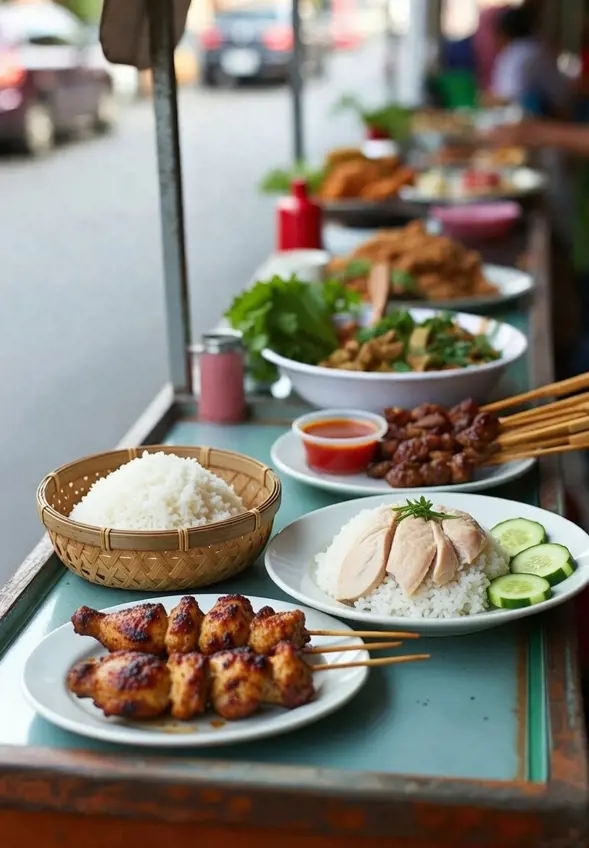
Street food gets a bad rap sometimes—greasy pad thai, deep-fried everything—but plenty of options are gold for fighters if you choose right. The beauty in Khao Lak (or anywhere in southern Thailand) is the abundance of grilled proteins, fresh fruits, and rice dishes that are naturally balanced. Avoid the heavy oily stuff that sits like a rock in your gut during clinch work, and go for lean, simple plates. Think gai yang (grilled chicken) with sticky rice, or khao man gai (chicken rice) without drowning it in sauce. These give you carbs + protein in one go, and they're everywhere for 50-100 baht. The trick is portion control and adding veggies or fruit to round it out—Thai food is often low in processed sugars compared to Western fast food, so you get clean energy without the crash.
Pre-Training Thai Staples: Loading Up on Carbs Without Feeling Like a Brick
For morning or afternoon sessions, you need carbs that digest steadily so you're not bonking halfway through pad rounds. Western advice says oats or sweet potatoes, but here I lean on white rice or sticky rice because it's what digests fastest in the humidity and replenishes glycogen quick.
My go-to 2-3 hours before: a plate of steamed rice with grilled chicken (gai yang) or boiled eggs, plus some greens like morning glory (phak bung) stir-fried lightly. If I'm in a rush, khao niao with mu ping (grilled pork skewers) works, but I skip the super-sweet sauces. Sticky rice is dense, so I keep portions moderate—about 1-1.5 cups cooked—to avoid that bloated feeling when you're shadowboxing in 35°C heat. Add a banana or two; they're cheap, portable, and loaded with potassium to fight cramps from sweating buckets.
Morning Fuel That Keeps You Going Through Double Sessions in the Heat
Double sessions are brutal here—the morning run or roadwork followed by technique, then evening pads or sparring. You can't afford a heavy breakfast that tanks your energy by 10 AM. I start light but carb-focused around 7-8 AM if morning training kicks off at 9.
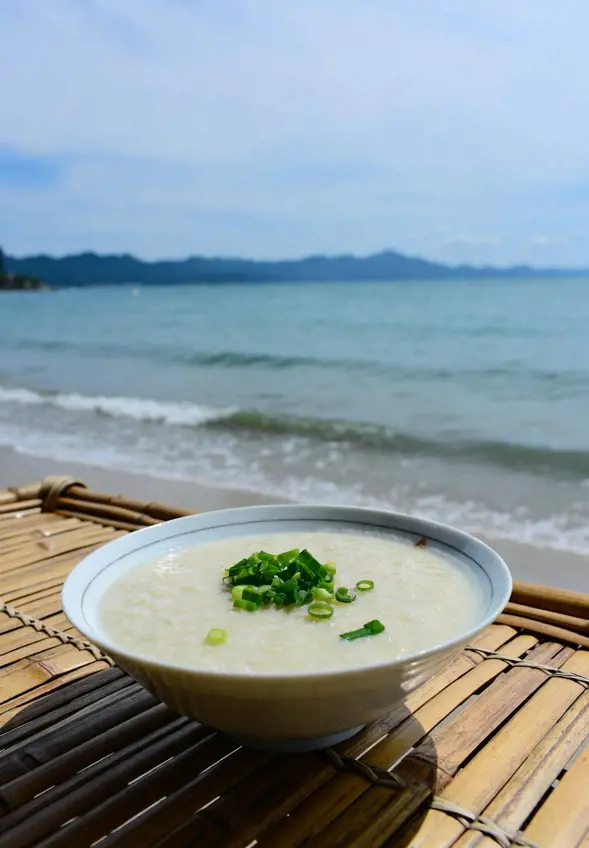
Jok (rice porridge/congee) with an egg and some lean pork or chicken is a Thai classic for recovery and pre-fuel. It's gentle on the stomach, hydrating, and gives slow-release carbs. Top it with fresh ginger or green onions for flavor and anti-inflammatory boost. If I'm feeling Western, I'll grab instant oats from 7-Eleven and mix in local honey and sliced mango. Pair with black coffee or green tea—no milk, keeps it light. This setup gets me through the first session without fading, and the heat makes hydration non-negotiable—I'll sip water with a pinch of sea salt or grab a Pocari Sweat from the corner shop.
The Power of Sticky Rice and Grilled Chicken – My Go-To Before Pad Work
Nothing beats khao niao + gai yang before pads or clinch. Sticky rice is calorie-dense and sticks with you longer than regular rice, perfect for explosive work. I ask for it grilled without too much oil, skin off if possible, and pair with a side of som tum (papaya salad)—the raw papaya, tomatoes, beans, and lime give fiber and vitamins without weighing you down. The spice level? Medium for me; too hot and it can mess with breathing during hard rounds. This combo is about 60-70g carbs, 30-40g protein—solid pre-workout fuel that feels local and satisfying. I've seen Thai pros smash this exact meal before fights; it works.
Post-Training Recovery Meals You Can Grab Anywhere in Khao Lak
Right after training is the window for refueling—carbs to restore glycogen, protein to kickstart repair. In the West, it's shakes and chicken breasts; here, it's whatever's steaming at the local eatery.
My immediate post: fruit first—banana, papaya, or mango from a vendor—quick sugars and electrolytes. Then within 30-60 minutes, khao man gai or gai yang with rice. The chicken provides lean protein, rice hits carbs, and the cucumber/garlic sauce adds flavor without excess fat. If camp has a kitchen, boiled eggs with rice is simple and effective. For something lighter, tom yum goong (shrimp soup) with extra veggies—protein from shrimp, anti-inflammatory lemongrass and galangal, and broth for rehydration. Avoid fried stuff post-session; it slows digestion when you need nutrients fast.
Bananas, Papaya, and Mango: Nature's Fast Thai Energy Hits After Training
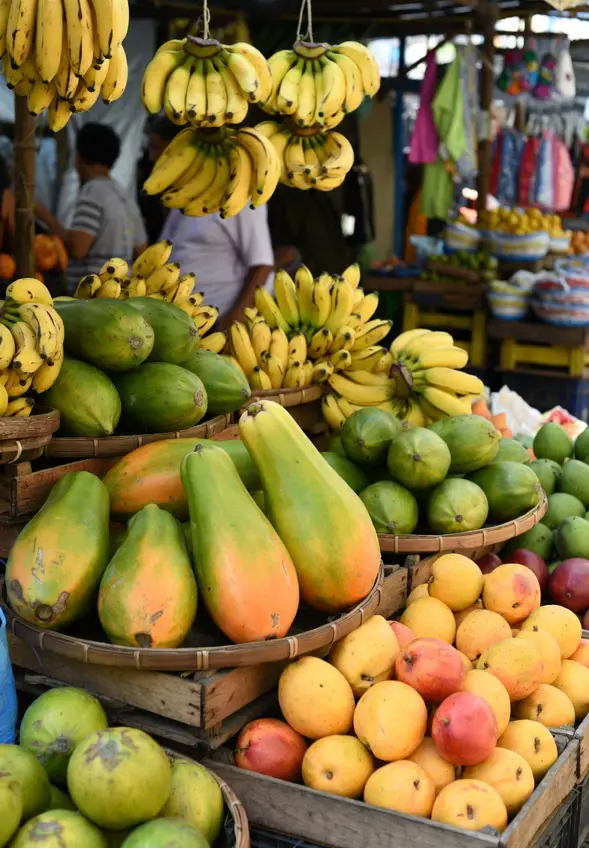
Fruit is everywhere and dirt cheap here—bananas at 20 baht a bunch, papaya and mango in season for next to nothing. After training, I grab 2-3 bananas or a big slice of papaya; the natural sugars replenish glycogen fast, potassium fights cramps, and it's hydrating in the humidity. Papaya has enzymes that aid digestion, mango brings vitamin C for immune support after hard sessions. I eat them straight or blend if I have access to a blender—no need for fancy recovery drinks. This is how many locals refuel; it's simple, effective, and beats processed bars any day.
How to Use Tom Yum, Som Tum, and Stir-Fries for Real Anti-Inflammatory Gains
Thai curries and salads aren't just tasty—they're functional. Tom yum (clear soup with shrimp/chicken, mushrooms, lemongrass, chili) is low-cal, high-protein, and packed with anti-inflammatory herbs like galangal and kaffir lime. Great post-training for reducing soreness without heavy calories. Som tum Thai (less spicy version) adds crunch, fiber, and vitamin boost from green papaya and carrots—pair with grilled fish or chicken for balanced recovery. Stir-fries like pad pak (mixed veggies) with lean meat keep things light and nutrient-dense. These beat supplements for natural recovery; the herbs provide antioxidants that help with inflammation from repeated impacts.
Staying Hydrated and Energized All Day – Electrolytes Without the Fancy Powders
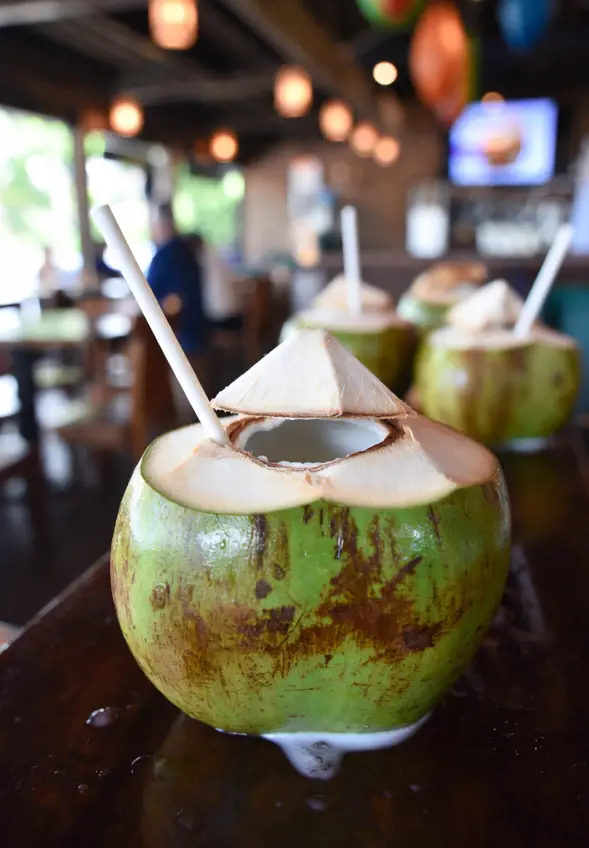
The heat here is no joke—you lose sodium and minerals fast. I skip expensive electrolyte tabs and use what's available: coconut water from street vendors (natural potassium and electrolytes), or mix salt + lime in water. 7-Eleven has Pocari Sweat or Gatorade, but coconut is better and cheaper. Drink constantly—aim for clear urine. Between sessions, herbal tea or just plain water with a pinch of salt keeps energy steady. No crashes if you're consistent; dehydration kills performance quicker than bad food.
Building Muscle the Thai Way: Lean Proteins from Gai Yang to Fresh Fish
Protein is key for repair, but Western portions are huge compared to here. I focus on quality over quantity: gai yang, pla pao (grilled fish), eggs, and occasional pork or shrimp. Fresh fish from local markets is omega-rich and lean—grilled with herbs is perfect. Eggs are a staple—boiled or in khai jiao (omelette) with veggies. Aim for 20-40g per meal spread out; combined with rice, it builds muscle without needing shakes. Thai fighters stay lean and strong on this; it's sustainable long-term.
Avoiding the Energy Crash: Tweaking Portion Sizes and Timing in Thailand's Climate
The biggest mistake Westerners make is eating big Western-style meals—too much at once leads to sluggishness in the heat. I eat smaller, more frequent meals: pre-training carb load, post quick recovery, then balanced lunch/dinner. Timing matters—biggest meal after evening session when metabolism is high. Watch spice if it affects your stomach during training, and always add veggies for micronutrients. In Khao Lak's climate, overeating carbs can make you feel heavy, so balance with protein and stay active between meals.
This approach has kept me training hard year-round without burnout or reliance on supplements. It's about working with what's here—fresh, affordable, and proven by locals who live this life. Adjust to your body, listen during sessions, and you'll fuel better than ever in paradise.
Related Articles
BUY
Gear & Equipment
Looking to buy quality Muay Thai equipment and training gear, direct from Thailand?

Ankleguards from the top manufacturers such as Twins Special, Fairtex, Top King and many more
Hand-wraps from the top manufacturers such as Twins Special, Fairtex, Top King and many more
Shorts from the top manufacturers such as Twins Special, Fairtex, Top King and many more
Shinguards from the top manufacturers such as Twins Special, Fairtex, Top King and many more
Pads, Mitts and Kick-shields from the top manufacturers such as Twins Special, Fairtex, Top King and many more
T-Shirts from the top manufacturers such as Twins Special, Fairtex, Top King and many more