
The Muay Thai Mongkol: A Symbol of Tradition and Respect

- Date:
- Categories: Muay Thai, Muay Boran, Other
- Author: Ben Fidge
Introduction
In the world of Muay Thai, tradition and respect hold as much importance as strength and skill. One of the most significant symbols embodying these values is the Mongkol, a headband worn by fighters. This article delves into the history, meaning, and practices surrounding the Mongkol, focusing on the poignant moment when the gym owner or trainer removes it before a fighter engages in battle.
What is the Mongkol?
The Mongkol (sometimes spelled Mongkon) is a traditional headband worn by Muay Thai fighters. Made from a piece of cloth, often blessed by Buddhist monks, it's considered sacred and is treated with the utmost respect. The Mongkol is believed to offer protection and good luck to the fighters.
Looking for a Train & Stay Package?
We offer fully inclusive stay & train packages starting from just 8,900 baht per week — training, accommodation, airport transfers and full gym access all included. Expand each option below to explore what’s right for you.
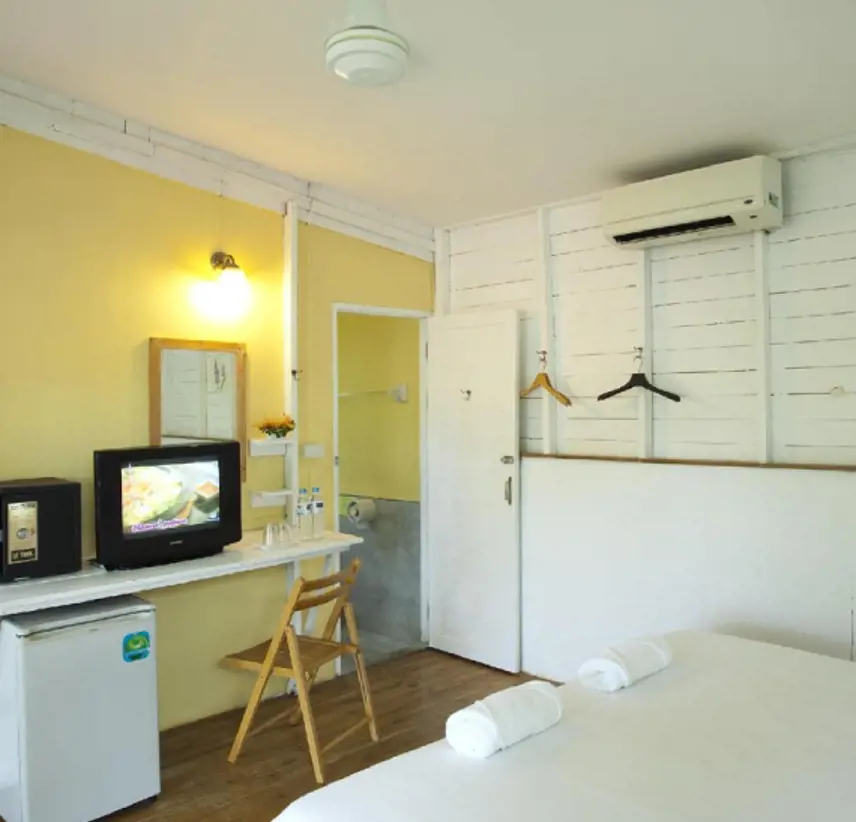

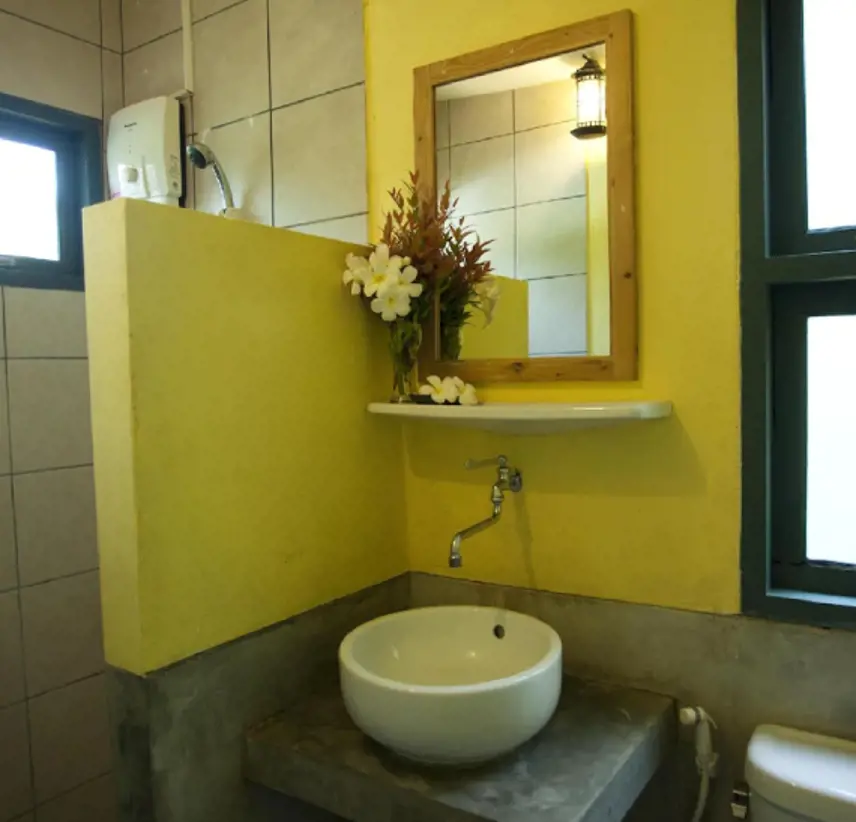

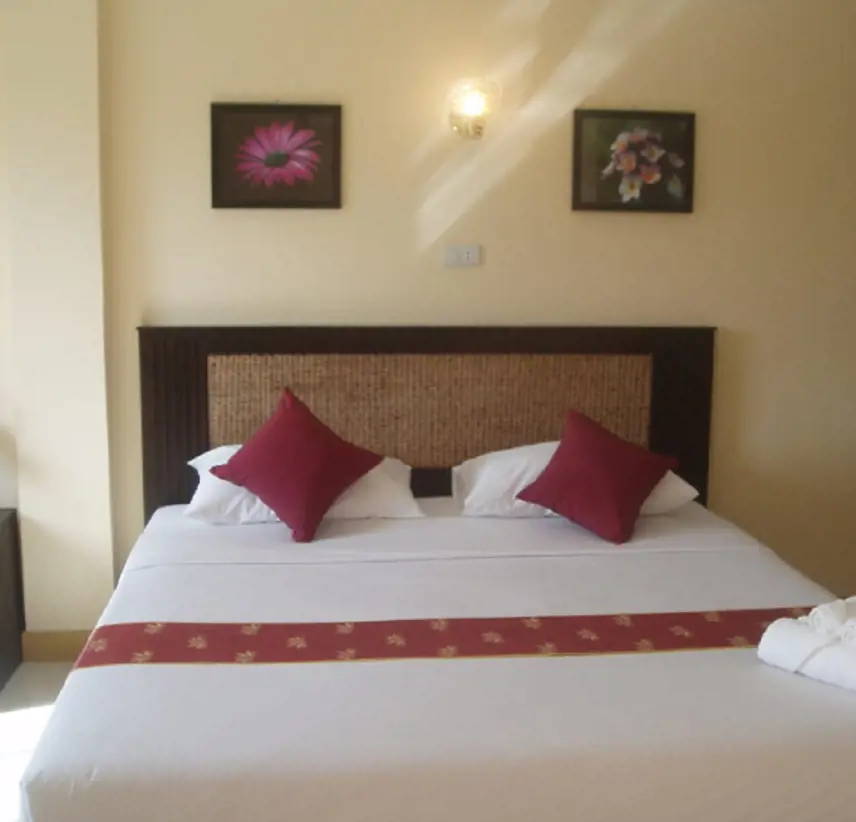
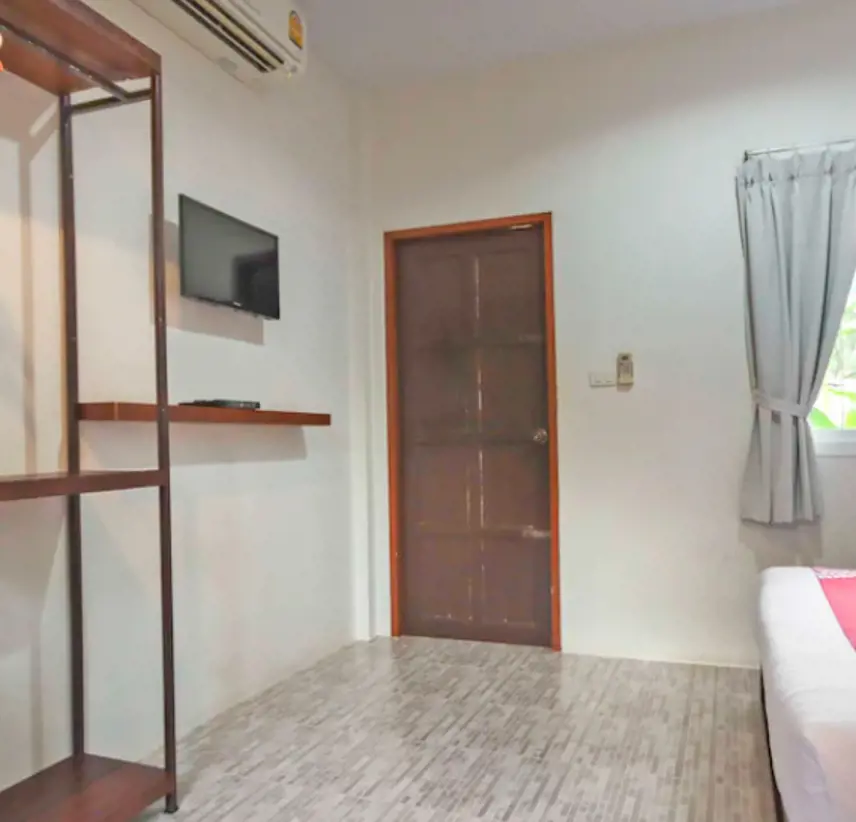
Standard Package
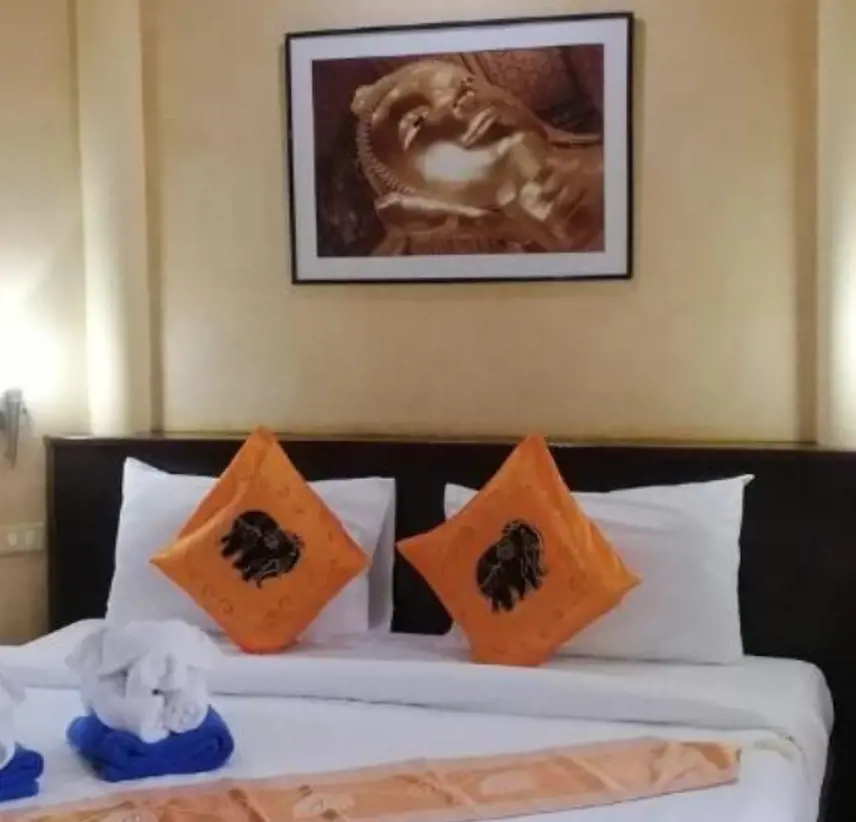
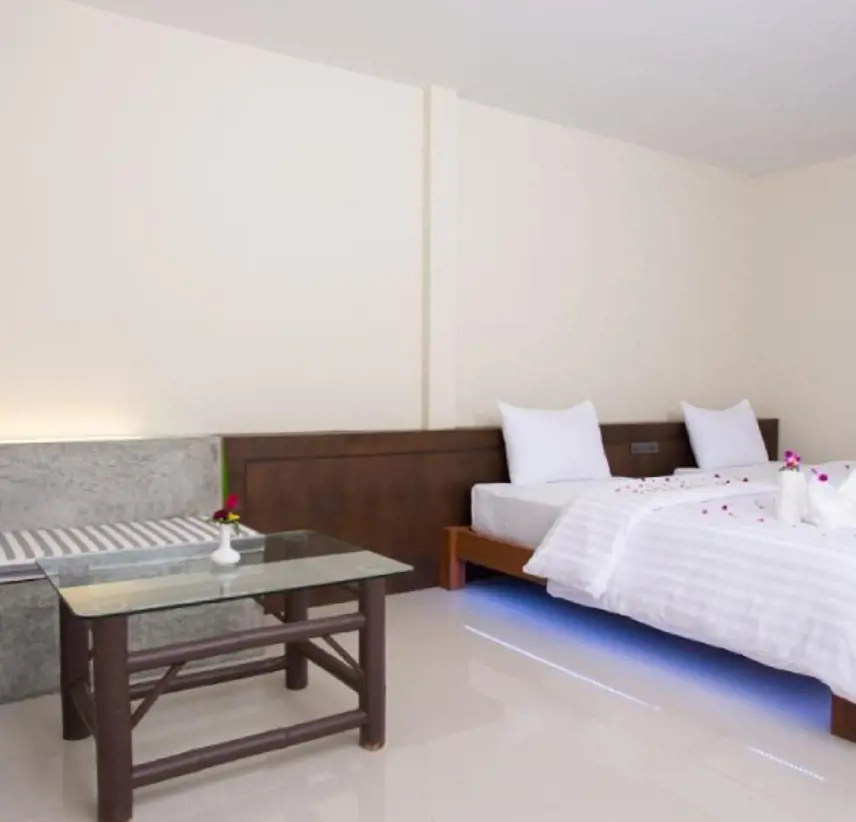
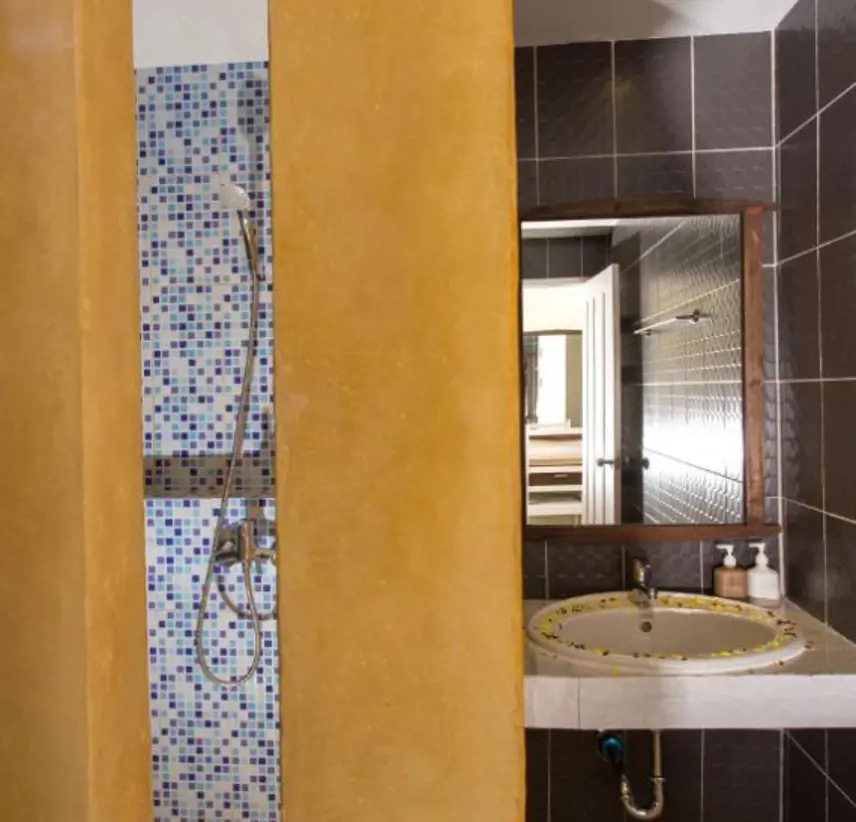
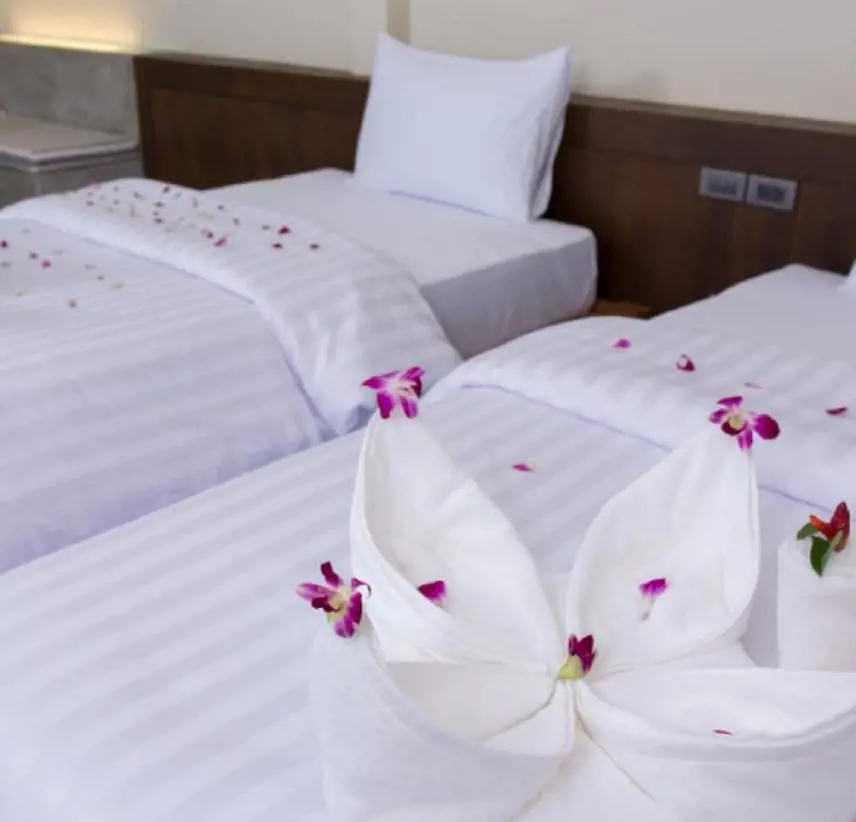
Train hard and stay comfortably. This budget-friendly package includes quality accommodation close to the gym with clean, air-conditioned rooms. Perfect for dedicated trainees and long-stay students who want authentic Muay Thai, great value, and easy access to daily training without any fuss.
- AC
- Fridge
- Private bathroom with hot water
- Free WIFI
- A few minutes' walk from gym
- Self-catering
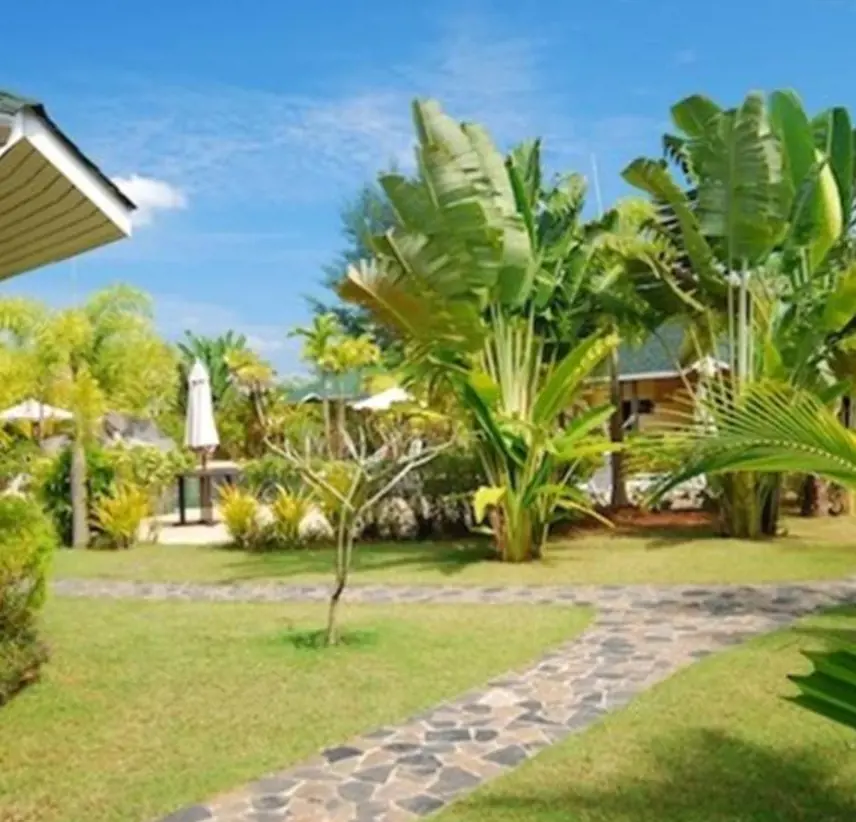
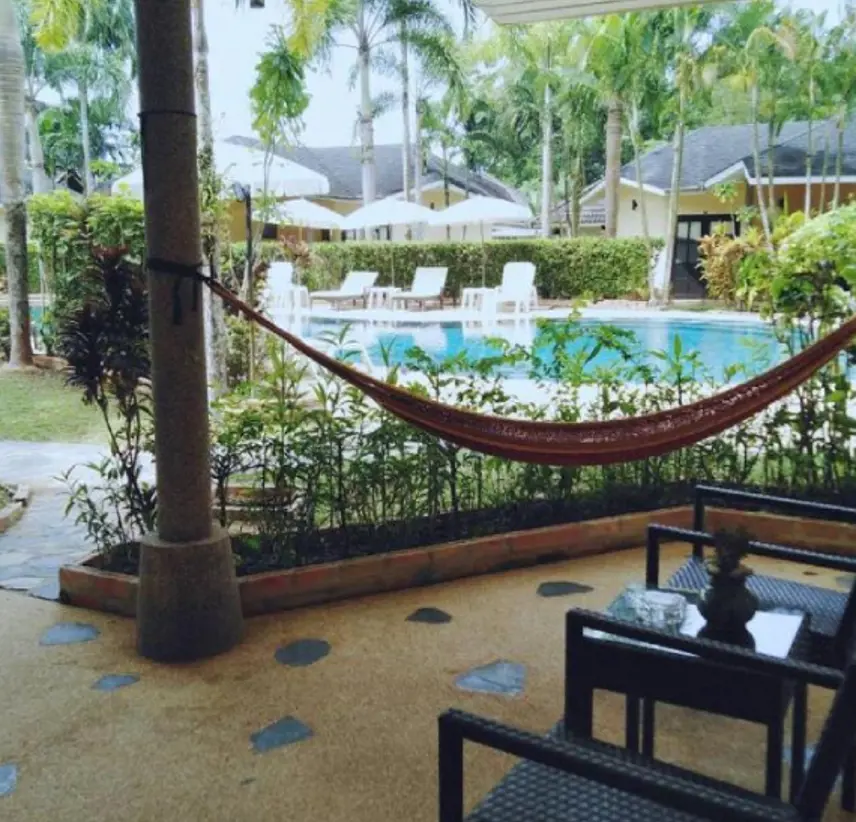
Deluxe Package
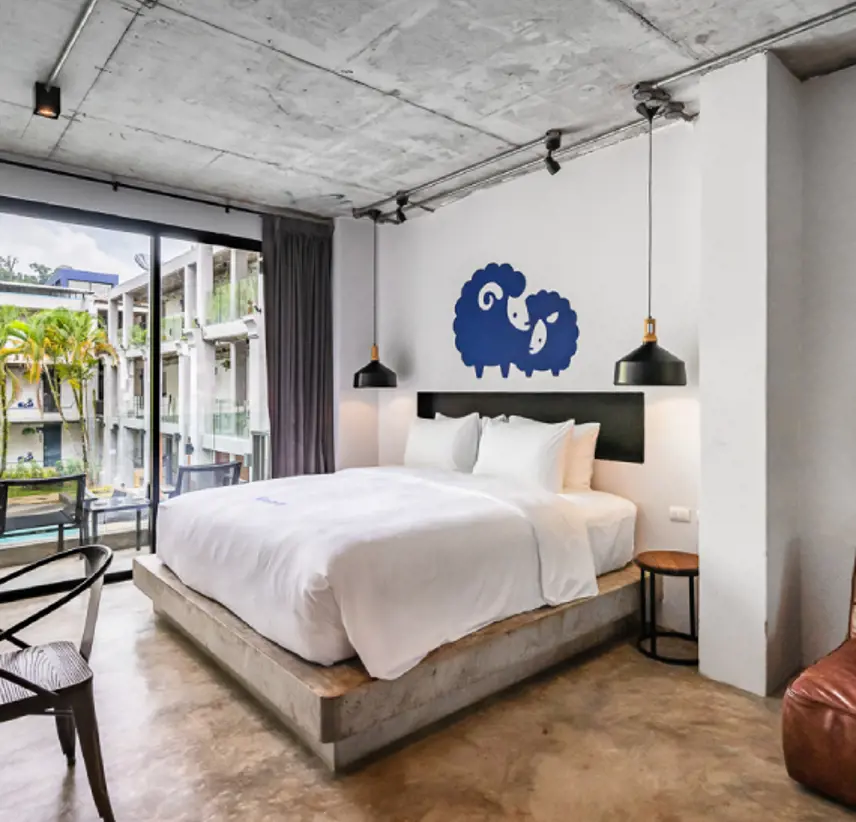
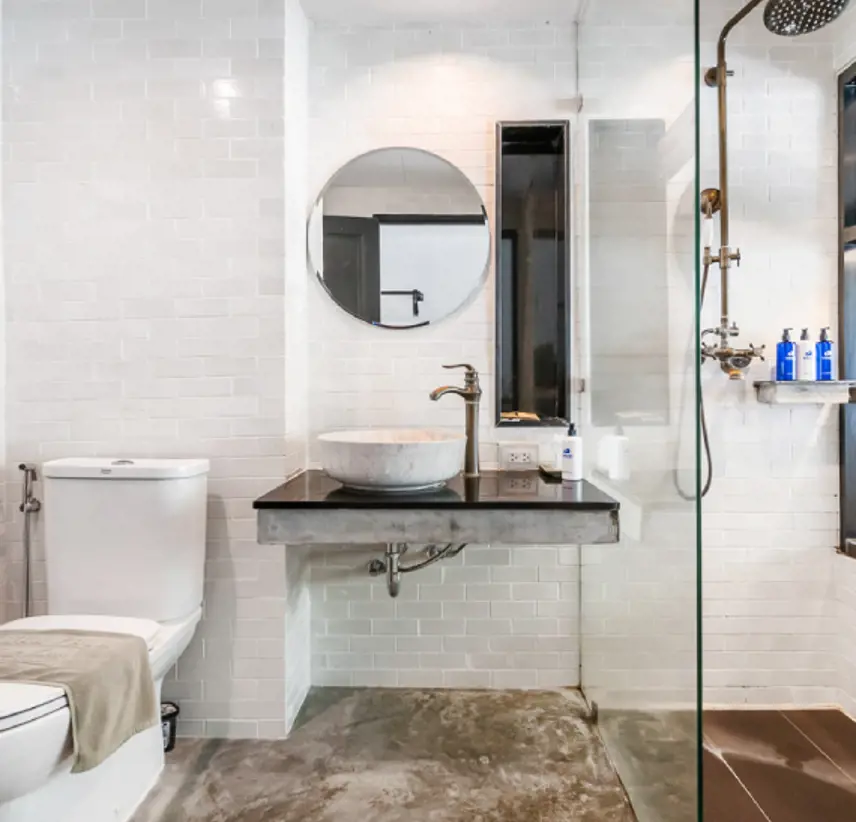
Enjoy training and relaxation in equal measure. This package offers comfortable modern rooms with pool access in a peaceful setting near the gym. Ideal for couples and longer stays who want a relaxed tropical atmosphere alongside high-quality Muay Thai coaching.
- AC
- Fridge, kettle, coffee/tea in the room
- Private bathroom with hot water
- Free WIFI
- A few minutes' walk from gym
- Breakfast: optional
- Daily cleaning

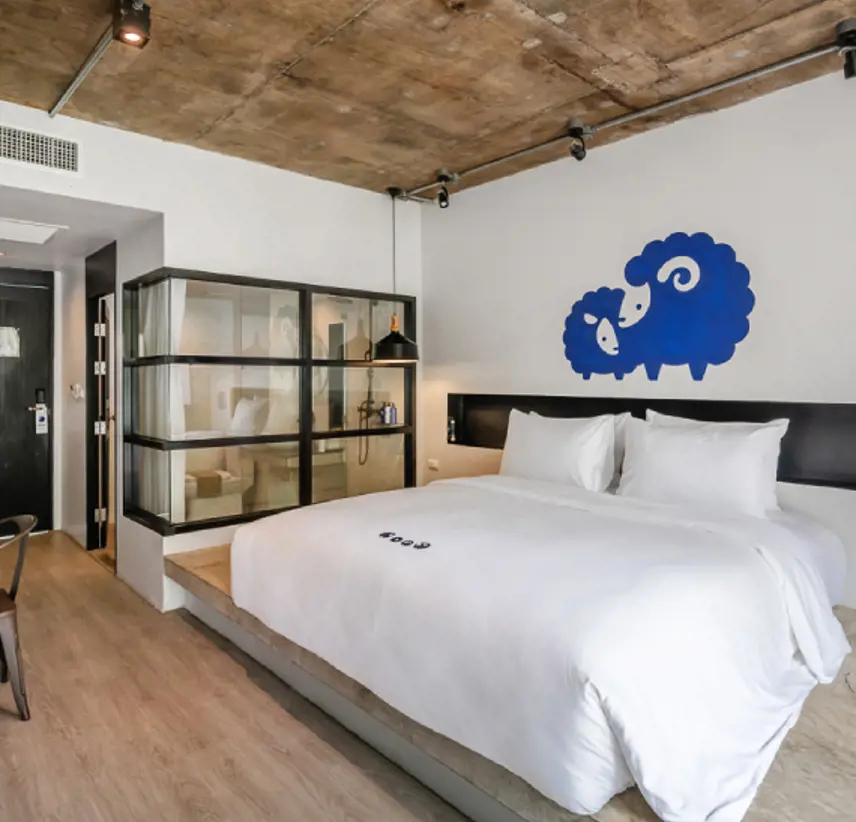
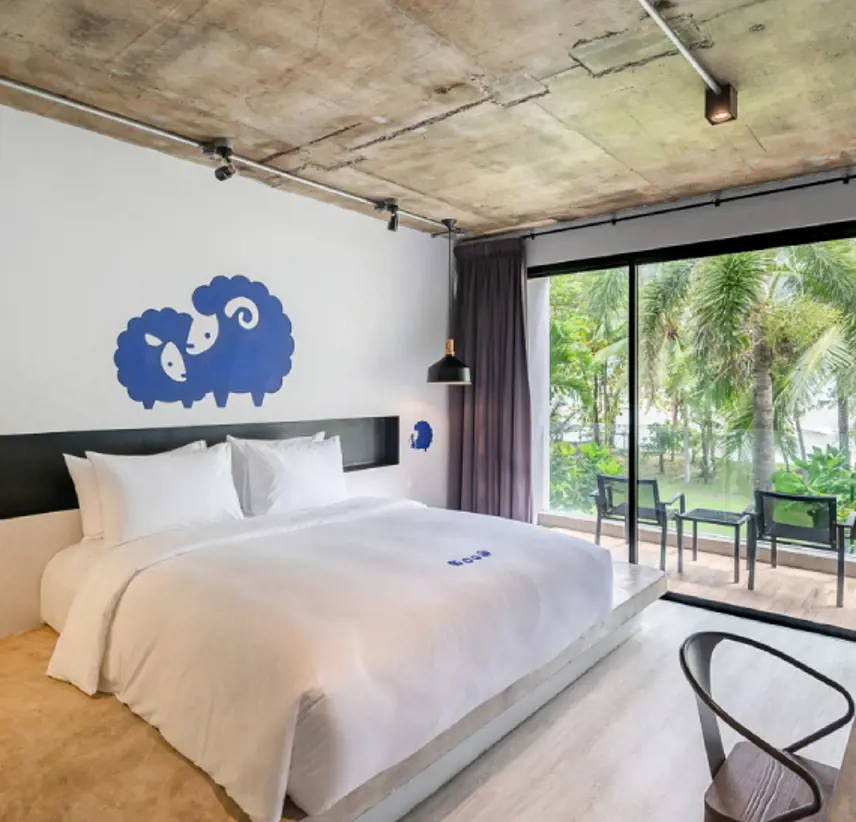
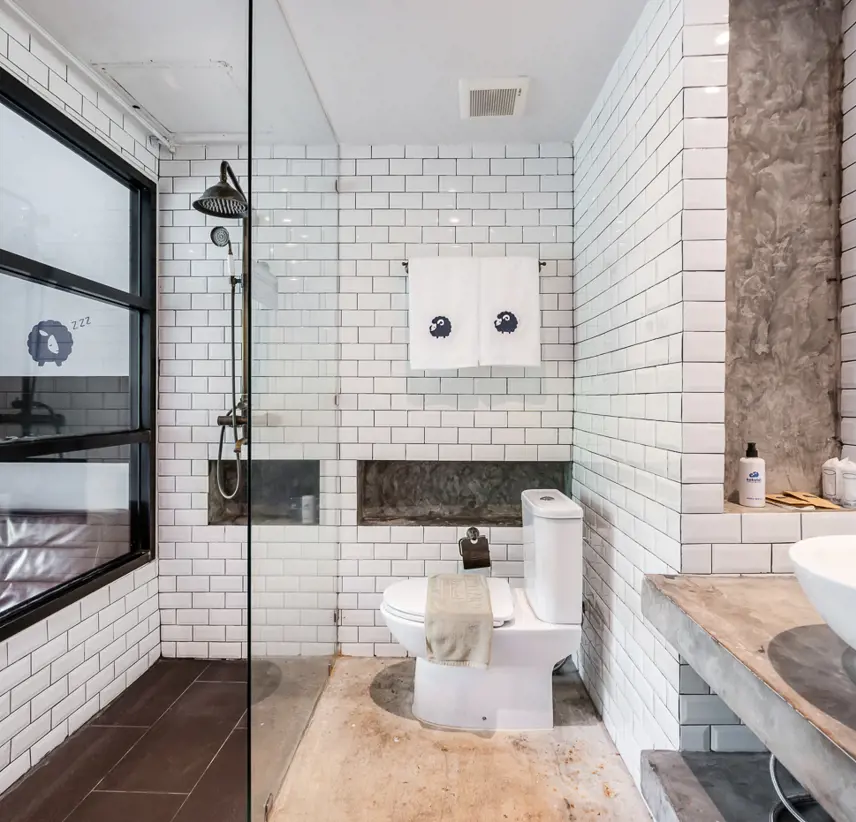
Luxury Package
Train hard by day and unwind in style. This premium package includes modern accommodation with resort facilities and sea views. Perfect for couples and long-stay students who want extra comfort, beautiful surroundings, and easy access to world-class training.
- Deluxe rooms wit AC
- Fridge, kettle, coffee/tea in the room
- Private bathroom with hot water
- Free WIFI
- Beachfront
- 15-20 minutes walk from the gym
- Breakfast included
- Daily cleaning
Custom lengths and fight camps available. Prices are per person, twin share. Single supplement on request. Contact us for current Agoda-linked deals and long-stay discounts.
Historical Origins
The origins of the Mongkol can be traced back to ancient times when Muay Thai was practiced by Thai warriors. It was a part of their battle gear, believed to protect them and grant them strength in war. Over time, as Muay Thai evolved into a sport, the Mongkol remained a critical element, symbolizing the fighter's readiness and spirit.
The Significance of the Mongkol
-
Spiritual Protection: The Mongkol is believed to house the fighter's spirit and protect them from harm. This belief is deeply ingrained in Thai culture, which places great importance on spiritual well-being.
-
Connection to Heritage: Wearing the Mongkol is a nod to the history and traditions of Muay Thai. It connects the modern-day fighter to the generations that preceded them.
-
Symbol of Honor and Respect: The Mongkol is bestowed upon a fighter by their teacher, symbolizing the trust and bond between them. It's an honor that signifies the fighter’s readiness and their respect for the art.
The Ritual of Removing the Mongkol
The act of removing the Mongkol before a fight is steeped in symbolism and is a critical part of the Muay Thai ritual. This moment, typically performed by the gym owner or a senior trainer, is laden with meaning.
-
Transition from Spiritual to Physical Realm: The removal of the Mongkol signifies the transition from spiritual preparation to physical combat. It's a moment of focus, where the fighter is mentally transitioning into the fight.
-
Blessing and Final Protection: When the Mongkol is removed, it's often accompanied by a prayer or a blessing. This act is a final protective measure, a wish for safety and victory.
-
Respect and Authority: The removal by the gym owner or trainer reinforces the hierarchy and respect inherent in Muay Thai culture. It's a moment that underscores the fighter's respect for their mentor’s authority and wisdom.
The Role of the Gym Owner or Trainer
The gym owner or the trainer plays a pivotal role in a fighter's journey in Muay Thai. They are not just teachers of technique but also mentors who guide the fighters in their spiritual and mental preparation.
-
Givers of the Mongkol: Traditionally, the Mongkol is given to a fighter by their gym owner or trainer when they feel the fighter is ready to represent the gym in the ring. This is a significant milestone in a fighter's career.
-
Guiding the Fighter's Journey: The act of removing the Mongkol is symbolic of the guidance they provide. It's a physical representation of their role in preparing the fighter for battle.
The Mongkol in Modern Muay Thai
In contemporary times, while some aspects of Muay Thai have adapted to modern sensibilities, the reverence for the Mongkol remains unchanged. It's a tradition that has been preserved and continues to be a significant part of a fighter's ritual.
The Mongkol's Influence Beyond Thailand
As Muay Thai has gained international popularity, the practice of wearing and respecting the Mongkol has spread globally. Fighters around the world, regardless of their cultural background, often adopt this tradition as a sign of respect for the sport’s heritage.
Conclusion
The Mongkol is more than just a headband; it is a symbol of a fighter's courage, respect for their heritage, and the spiritual journey in Muay Thai. The moment it is removed before a fight encapsulates the essence of Muay Thai – a blend of physical prowess, spiritual depth, and cultural richness. As Muay Thai continues to evolve and spread across the world, the Mongkol remains a steadfast symbol of the art’s enduring traditions and values.

“This is my second time here and I’m staying a full year on my DTV visa. The friendly atmosphere, world-class coaching, and genuine family feeling have made this my home away from home. Best decision I’ve made for my Muay Thai journey.”
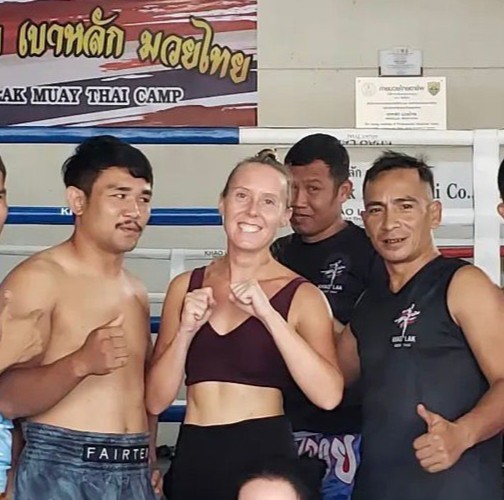
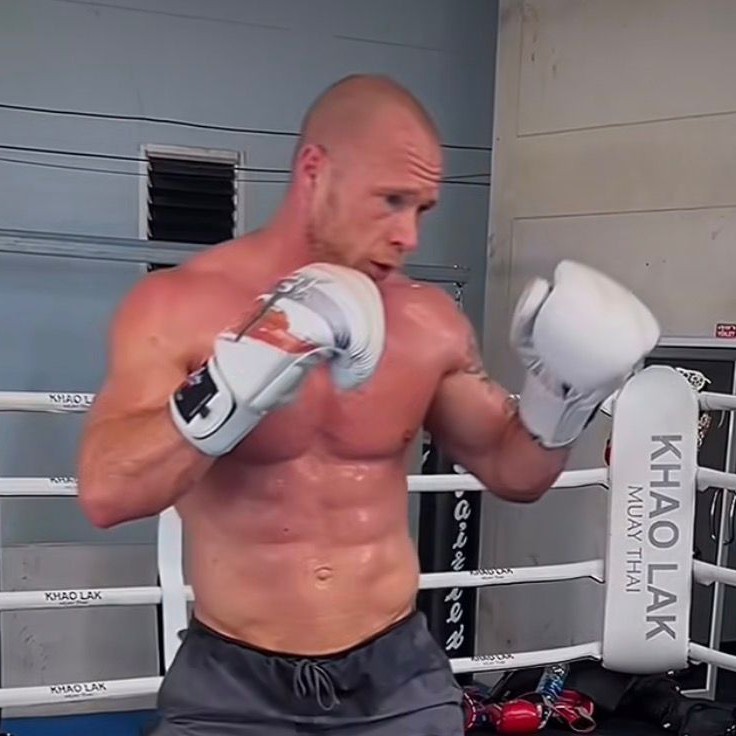
“As a gym owner and serious martial artist from Germany, I was genuinely impressed by the authentic, high-level training and the real family atmosphere. Winning two fights while training here was a highlight – the coaching and support made all the difference.”
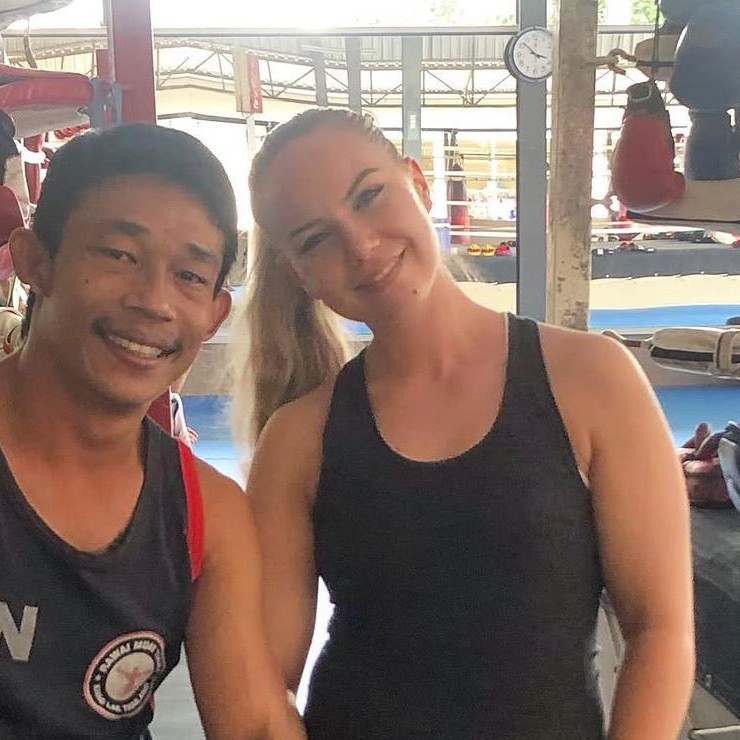
“Every year I come back to Khao Lak Muay Thai it feels like returning to family. The coaches treat me like their little sister, the atmosphere is so warm and friendly, and the training quality is consistently excellent. I wouldn’t train anywhere else.”
Related Articles


BUY
Gear & Equipment
Looking to buy quality Muay Thai equipment and training gear, direct from Thailand?
Ankleguards from the top manufacturers such as Twins Special, Fairtex, Top King and many more
Hand-wraps from the top manufacturers such as Twins Special, Fairtex, Top King and many more
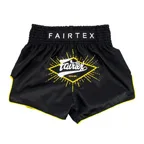
Shorts from the top manufacturers such as Twins Special, Fairtex, Top King and many more
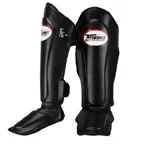
Shinguards from the top manufacturers such as Twins Special, Fairtex, Top King and many more
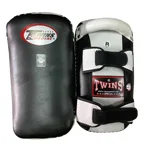
Pads, Mitts and Kick-shields from the top manufacturers such as Twins Special, Fairtex, Top King and many more
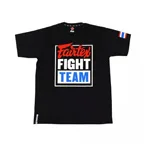
T-Shirts from the top manufacturers such as Twins Special, Fairtex, Top King and many more