Energy Systems Training for Muay Thai: Build a Relentless Engine That Goes the Distance

The Conditioning Trap That's Costing Fighters Rounds
You train hard. You push through circuits, finishers, and extra HIIT because your coach said it builds fight fitness. Yet you still fade in round three, your punches lose snap, and your legs feel heavy even though you "did the work." This pattern shows up constantly in gyms across Thailand and beyond.
The problem is rarely a lack of conditioning volume. It is usually the wrong emphasis. Traditional approaches pile on the sessions that feel most like fighting — high lactate, short rests, constant burn — and assume more of that will fix early fatigue. In reality, that approach often makes the problem worse by interfering with the very systems that let you recover between bursts and maintain output deep into fights.
Muay Thai itself already delivers plenty of sport-specific stress on one energy pathway. Adding more of the same in the gym duplicates effort instead of filling real gaps. The fighters who last longer and hit harder in later rounds are usually the ones who train their engine more completely, not just harder.
Understanding the Three Energy Systems Driving Every Exchange
Your body draws on three distinct fuel systems during Muay Thai. Each dominates at different intensities and durations, and they interact constantly throughout a round or fight. Understanding their roles helps you stop guessing and start targeting what actually moves the needle.
The aerobic system acts as your long-term recovery reservoir. It recharges phosphocreatine stores, clears metabolites, and supplies steady energy between high-intensity exchanges. A well-developed aerobic base lets you maintain pace, breathe more efficiently, and recover faster during the one-minute rest between rounds or after a hard combination.
The ATP-PC (or alactic) system supplies immediate, explosive energy for the first 6–12 seconds of an all-out effort. It powers the sharp snap in a roundhouse, the heavy teep that stops an opponent’s advance, or the rapid combination that finishes a flurry. This system relies on stored phosphocreatine and does not produce the burning sensation people associate with “conditioning.”
The lactic (or glycolytic) system bridges the gap for efforts lasting roughly 10 seconds to two minutes. It generates energy quickly but creates lactate and hydrogen ions that contribute to the familiar burn and fatigue. While important, it is not the only system that matters — and over-relying on it creates hidden costs.
Looking for a Train & Stay Package?
We offer fully inclusive stay & train packages starting from just 8,900 baht per week — training, accommodation, airport transfers and full gym access all included. Expand each option below to explore what’s right for you.
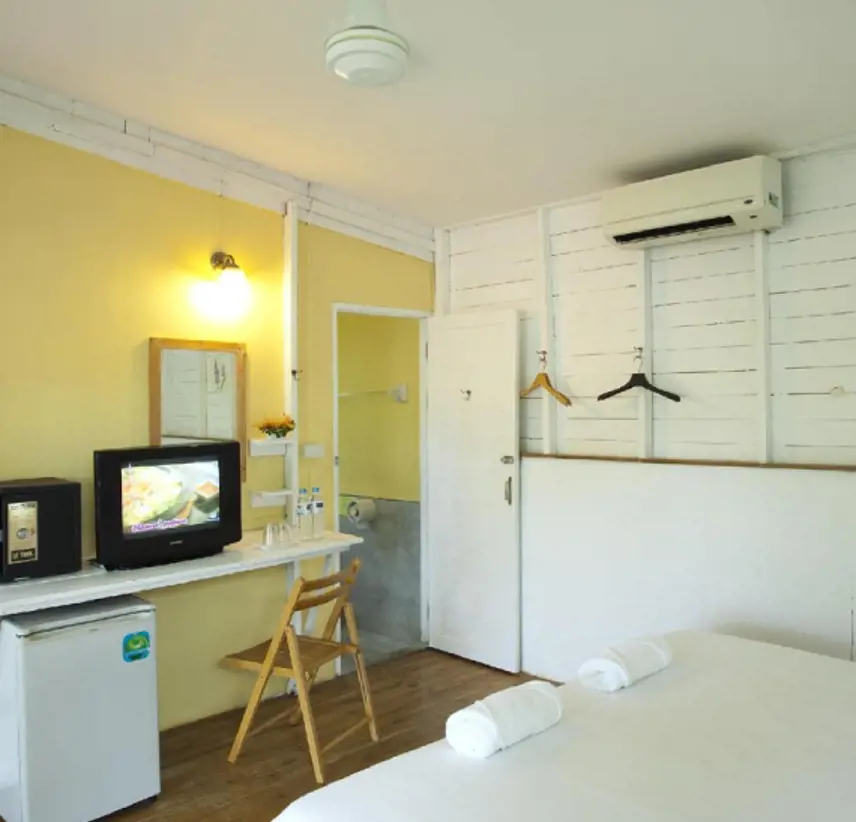

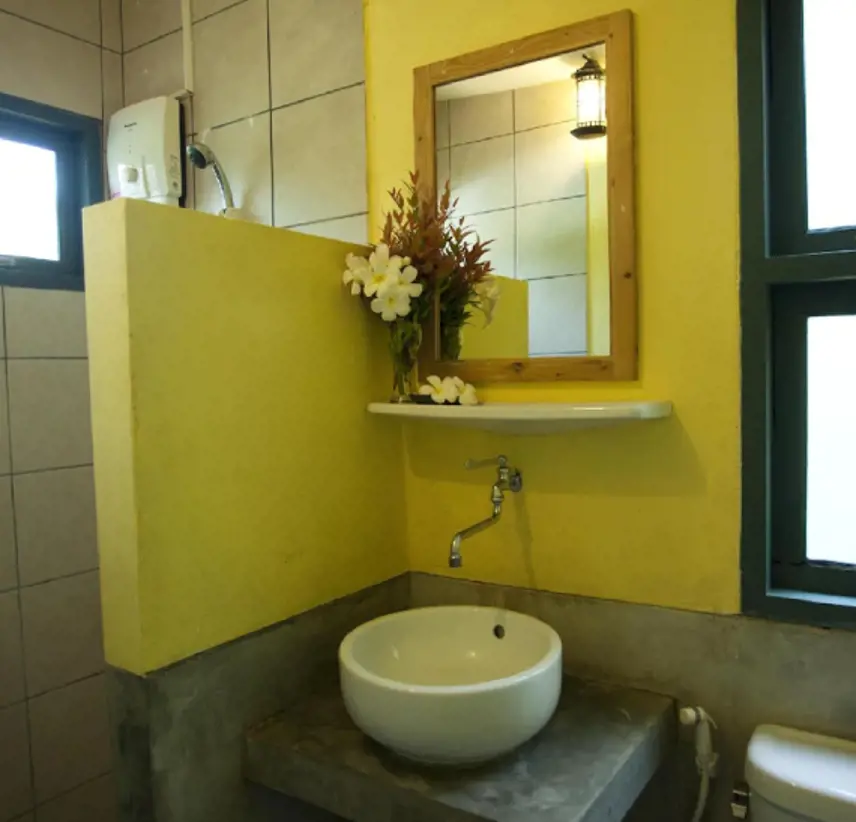



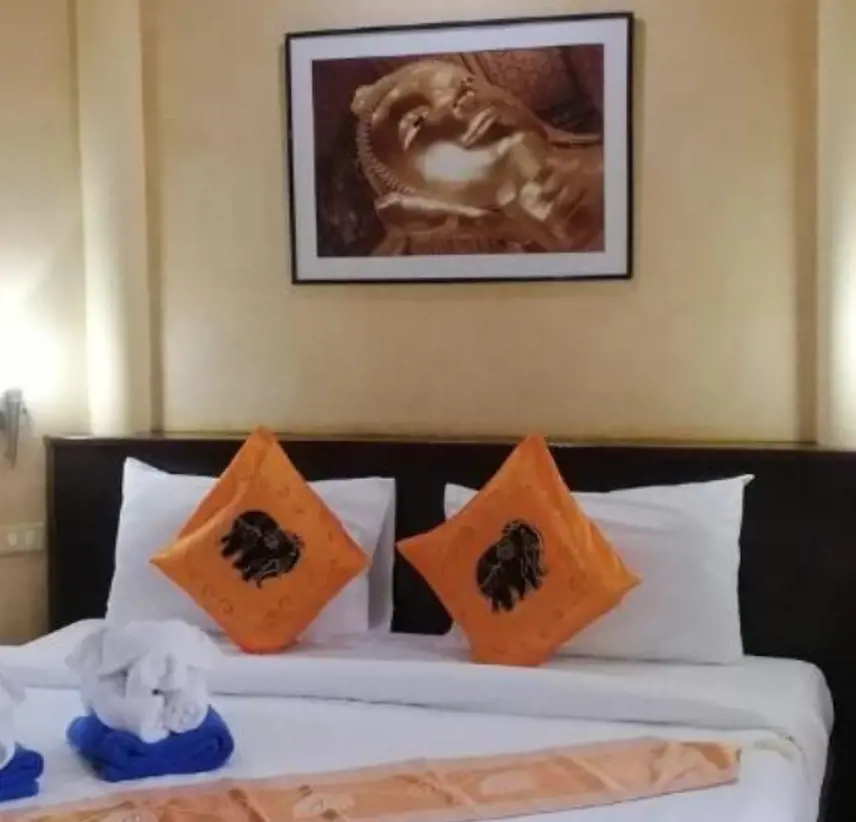
Standard Package
Train hard and stay comfortably. This budget-friendly package includes quality accommodation close to the gym with clean, air-conditioned rooms. Perfect for dedicated trainees and long-stay students who want authentic Muay Thai, great value, and easy access to daily training without any fuss.
- AC
- Fridge
- Private bathroom with hot water
- Free WIFI
- A few minutes' walk from gym
- Self-catering

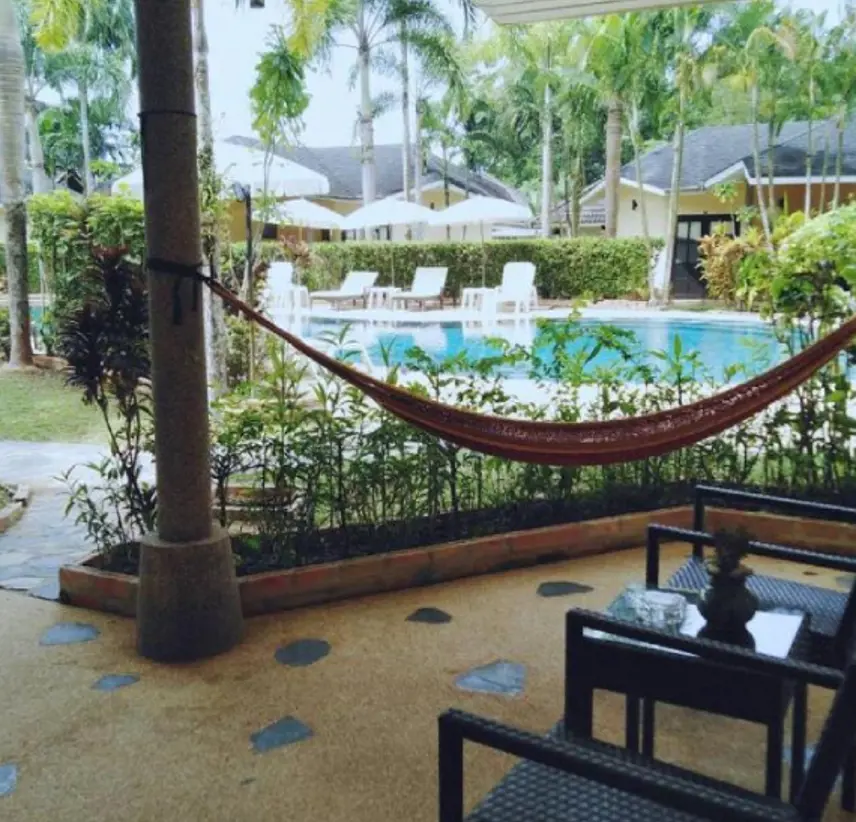


Deluxe Package
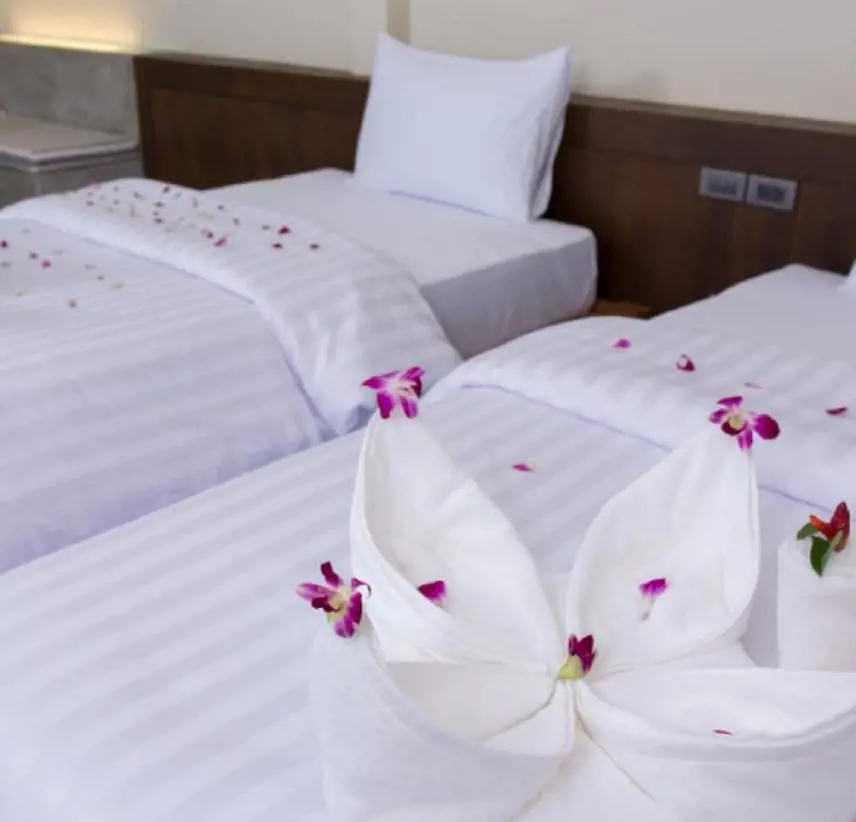
Enjoy training and relaxation in equal measure. This package offers comfortable modern rooms with pool access in a peaceful setting near the gym. Ideal for couples and longer stays who want a relaxed tropical atmosphere alongside high-quality Muay Thai coaching.
- AC
- Fridge, kettle, coffee/tea in the room
- Private bathroom with hot water
- Free WIFI
- A few minutes' walk from gym
- Breakfast: optional
- Daily cleaning






Luxury Package
Train hard by day and unwind in style. This premium package includes modern accommodation with resort facilities and sea views. Perfect for couples and long-stay students who want extra comfort, beautiful surroundings, and easy access to world-class training.
- Deluxe rooms wit AC
- Fridge, kettle, coffee/tea in the room
- Private bathroom with hot water
- Free WIFI
- Beachfront
- 15-20 minutes walk from the gym
- Breakfast included
- Daily cleaning
Custom lengths and fight camps available. Prices are per person, twin share. Single supplement on request. Contact us for current Agoda-linked deals and long-stay discounts.

How Overemphasising Lactic Work Quietly Limits Your Engine
When coaches default to circuits, repeated finishers, and short-rest intervals, they are heavily loading the lactic system. These sessions feel productive because they mimic the intensity and discomfort of fighting. Yet the mechanism works against long-term gains.
Excessive lactic-dominant training can blunt mitochondrial adaptations in muscle cells. Mitochondria are the powerhouses responsible for efficient aerobic metabolism and faster recovery between bursts. When this pathway is suppressed, you clear waste products more slowly and replenish energy stores less effectively. The enzymes and pathways that support quick recovery between explosive efforts also receive less stimulus.
The result is a fighter who can push hard early but fades sooner than expected. The very sessions that feel the most “fight-specific” end up capping the recovery reservoir and the raw power output that separate good fighters from great ones in later rounds. Muay Thai training already supplies more than enough lactic stress through pad rounds, bag work, and sparring. Your strength and conditioning time should address what the sport itself does not fully develop.
The sessions that feel the hardest are often the ones quietly limiting how well you recover and how much power you keep in round four and five.

Building the Aerobic Recovery Reservoir That Actually Matters
A bigger aerobic base does not mean slow jogging for hours. It means targeted work that improves oxygen delivery, mitochondrial density, and the ability to sustain sub-threshold efforts while recovering from the bursts Muay Thai demands. This is the system most traditional Thai programs under-emphasise.
Prioritise steady, conversational-pace work that you can maintain for 40–75 minutes without excessive fatigue. Two sessions per week is usually enough for most fighters when combined with normal training. Choose activities that minimise extra impact if your legs are already taking heavy volume from bag and sparring days.
Effective options include:
- Zone 2 running, cycling, or rowing at a pace where you can speak in full sentences.
- Extended shadow boxing or light technical bag rounds focused on relaxed breathing and movement efficiency rather than power.
- Low-intensity swimming or flow drills on active recovery days to promote blood flow without adding stress.
Over time you will notice faster heart-rate recovery between rounds, less cumulative fatigue across a training week, and the ability to throw sharper techniques deeper into sparring. These adaptations directly support the relentless work rate that wins fights.

Developing Explosive Snap Through the ATP-PC System
Traditional Thai training builds rhythm, timing, and lactic tolerance extremely well. It rarely develops pure explosive capacity with the long rests required to target the ATP-PC pathway. That is why many fighters feel powerful in the first round but lose their edge later — not from lack of effort, but from lack of specific stimulus.
To train this system, use short, maximal-intent efforts separated by full recovery. The work periods are brief (6–10 seconds) and the rest is long (90–180 seconds or more) so phosphocreatine stores can fully replenish. Quality always beats quantity here.
Practical examples include:
- 8–12 sets of 6–8 second all-out bag flurries or shadow combinations performed with maximum snap and intent, resting completely between sets.
- Rotational medicine ball throws or slams that mimic hooks, kicks, and knee strikes — 6–8 quality reps with full reset between throws.
- Short resisted sprints or band-resisted shadow bursts lasting 5–7 seconds, again with generous recovery.
- Low-rep explosive lower-body movements such as trap-bar jumps or heavy kettlebell swings when gym access allows.
These sessions improve your ability to produce force quickly and help maintain that output deeper into fights. Because the efforts are so short and recovery is prioritised, they complement rather than compete with your Muay Thai skill work.
Monitoring Progress with Objective Markers
Feeling better is useful feedback, but measurable markers tell you whether your energy systems are actually adapting. Re-test every four to six weeks and adjust volume or intensity based on the data rather than guesswork.
Simple, repeatable tests work best in a Muay Thai setting:
| Energy System | Key Indicator | Practical Tracking Method | Priority for Most Fighters |
|---|---|---|---|
| Aerobic | Recovery speed & base capacity | Morning resting HR + 60-second HR drop after a 3-min effort | High (often neglected) |
| ATP-PC | Peak power & rate of force | Vertical jump test or max-intent 6-second bag power test | High (frequently ignored) |
| Lactic | Repeat high-intensity output | Quality strikes or defensive actions maintained in later sparring rounds | Moderate (sport already provides) |
Track how quickly your heart rate drops after hard efforts and how well you sustain technical output in the final rounds of sparring. Video analysis of your striking snap in round four versus round one also reveals whether power is holding. When aerobic markers improve alongside maintained or increased explosive tests, your overall engine is growing instead of one system cannibalising the others.
Putting the Pieces Together in Your Weekly Plan
Your regular Muay Thai sessions already deliver strong lactic stimulus. Use S&C time to strengthen the aerobic base and ATP-PC system while protecting recovery. A simple weekly structure for most intermediate fighters looks like two dedicated aerobic sessions, one or two short ATP-PC power sessions, and continued normal pad, bag, and sparring work.
Keep lactic-specific finishers occasional and purposeful rather than daily. Prioritise sleep, nutrition that supports mitochondrial health, and honest assessment of cumulative fatigue. If you still gas early after adding proper aerobic and power work, the issue may be overall training volume or recovery rather than missing another hard circuit.
The goal is not to eliminate lactic training — it has its place. The goal is to stop letting it dominate at the expense of the systems that actually let you recover faster and keep your power when it matters most.
Frequently Asked Questions
How many extra aerobic sessions should I add without hurting my Muay Thai training?
Most fighters do well with two dedicated aerobic base sessions per week. Keep them at conversational pace and schedule them on days that allow good recovery before hard technical or sparring work.
Can I still include HIIT circuits and finishers?
Yes, but reduce frequency if you are currently gassing early. The sport itself provides plenty of lactic stress. Use occasional targeted intervals only when fight preparation demands it, and always balance with aerobic and power work.
What if I train in a traditional Thai gym that does mostly pad rounds and bag work?
That environment already builds excellent lactic tolerance and fight rhythm. Your personal S&C should deliberately add the missing aerobic volume and explosive power sessions with long rests — exactly the elements that get little attention in most camps.
How quickly will I notice improvements in my gas tank?
Aerobic adaptations often appear within 3–4 weeks as resting heart rate drops and recovery between rounds feels easier. Explosive power gains show up in sharper technique and maintained output in later rounds within a similar timeframe when training is consistent.
“This is my second time here and I’m staying a full year on my DTV visa. The friendly atmosphere, world-class coaching, and genuine family feeling have made this my home away from home. Best decision I’ve made for my Muay Thai journey.”
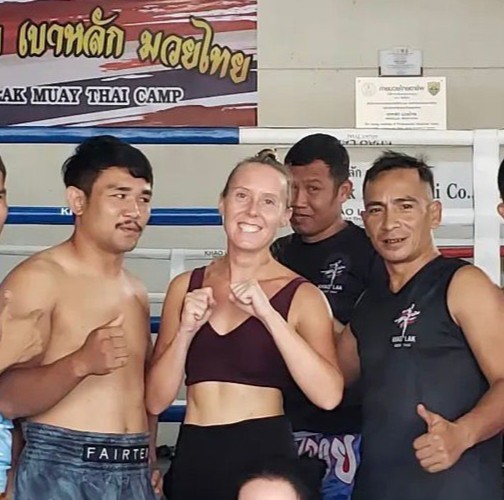
“As a gym owner and serious martial artist from Germany, I was genuinely impressed by the authentic, high-level training and the real family atmosphere. Winning two fights while training here was a highlight – the coaching and support made all the difference.”
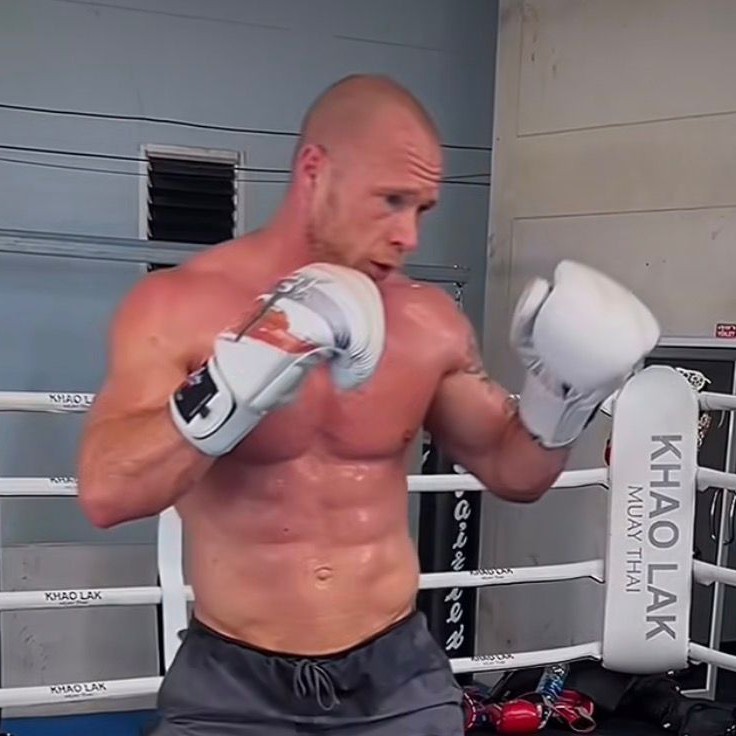
“Every year I come back to Khao Lak Muay Thai it feels like returning to family. The coaches treat me like their little sister, the atmosphere is so warm and friendly, and the training quality is consistently excellent. I wouldn’t train anywhere else.”