Muay Thai Training Camps in Thailand: Your Complete 2026 Guide

Why Thailand Remains the World’s Top Destination for Muay Thai Training
Thailand offers something no other country can match: daily access to world-class Thai trainers who grew up with the art, combined with an environment that makes training feel like a lifestyle rather than a chore. The tropical climate, fresh local food, and strong community spirit around most camps create ideal conditions for rapid improvement and genuine recovery.
Whether you want to build fitness, sharpen technique, prepare for your first fight, or simply experience authentic Thai culture, a dedicated training camp delivers structure that is hard to replicate back home. Many visitors discover that the discipline and respect learned inside the gym carry over into other areas of life long after they return home.
The choice of camp matters enormously. Some places emphasise high-volume fitness and social energy. Others focus on precise technique and personal attention. Understanding the differences helps you avoid disappointment and find the right fit for your goals and personality.
What to Look for When Choosing a Muay Thai Training Camp
Start by clarifying your main objective. Beginners usually benefit most from patient instructors, smaller group sizes, and a supportive atmosphere. Serious fighters need consistent high-level pad work, clinch practice, and sparring opportunities with experienced partners. Fitness-focused travellers often appreciate extra conditioning classes, yoga, and recovery options.
Next, consider the trainer-to-student ratio and the experience level of the Kru. The best trainers have solid fight records and genuine passion for teaching rather than just running drills. Watch a class if possible, or read recent reviews that mention specific instructors by name.
Location and vibe also play a big role. Phuket offers convenience, beaches, and nightlife but can feel crowded during peak season. Quieter regions provide more space to focus, better recovery environments, and a stronger sense of community. Budget is another practical factor — all-inclusive packages at larger camps can simplify planning, while smaller gyms often give better value for serious technique work.
Finally, look at accommodation quality, food options, and how the camp handles beginners versus advanced students. The best camps make everyone feel welcome without compromising the quality of training for more experienced athletes.
Looking for a Train & Stay Package?
We offer fully inclusive stay & train packages starting from just 8,900 baht per week — training, accommodation, airport transfers and full gym access all included. Expand each option below to explore what’s right for you.
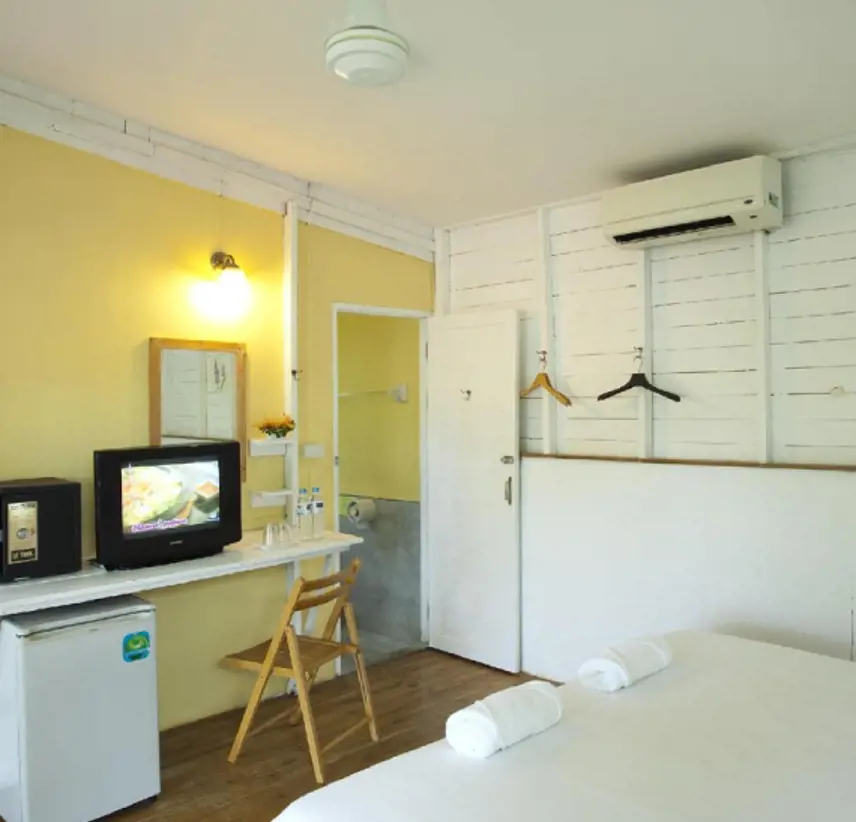
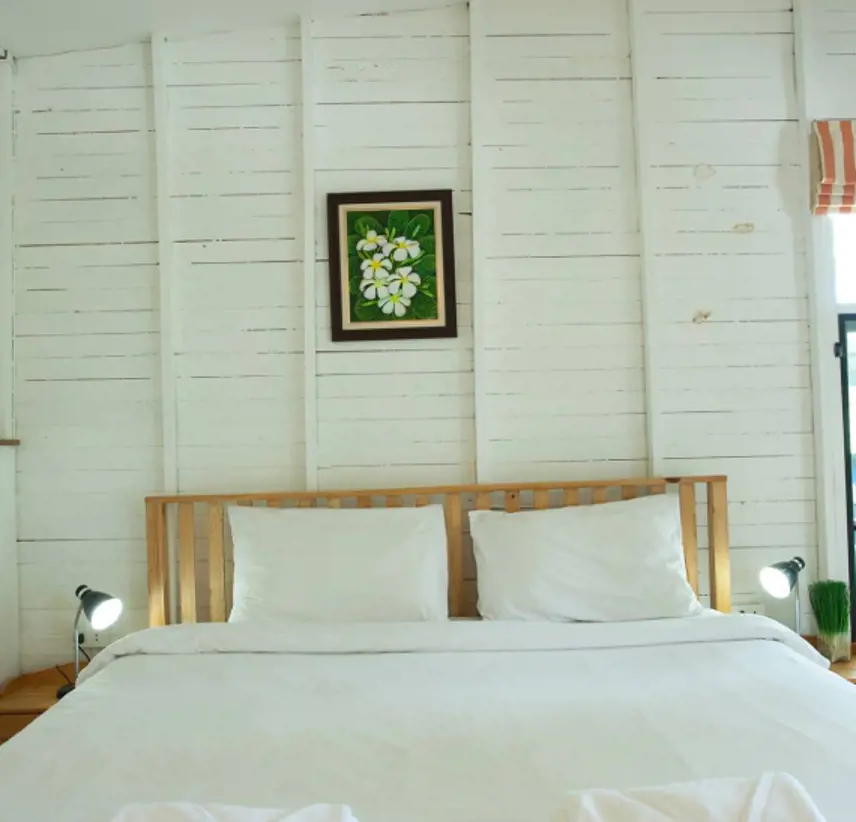
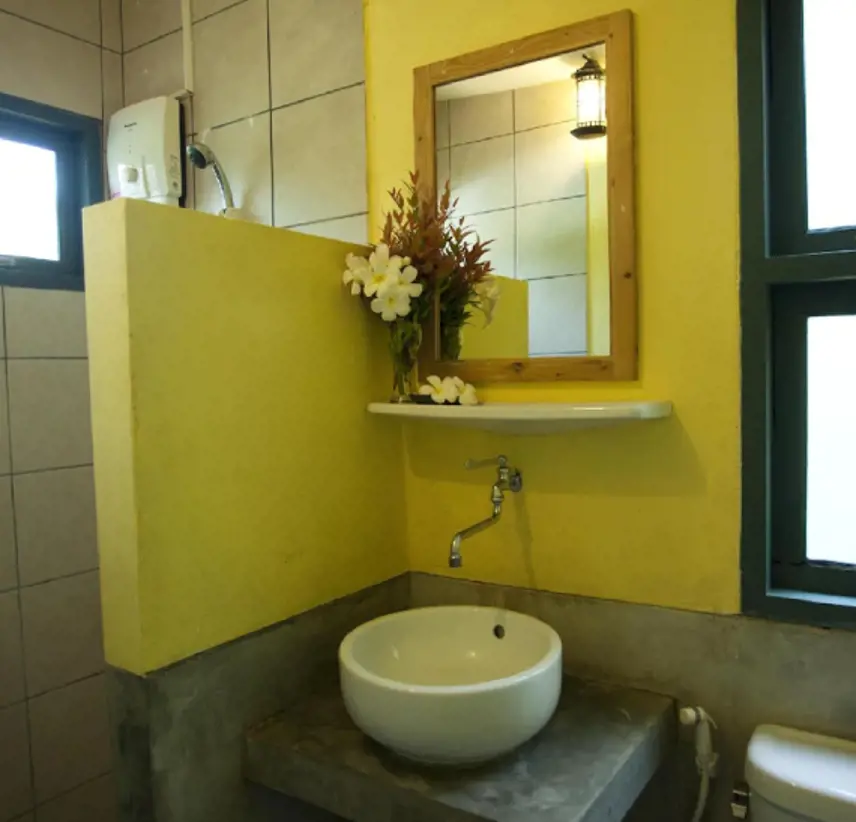
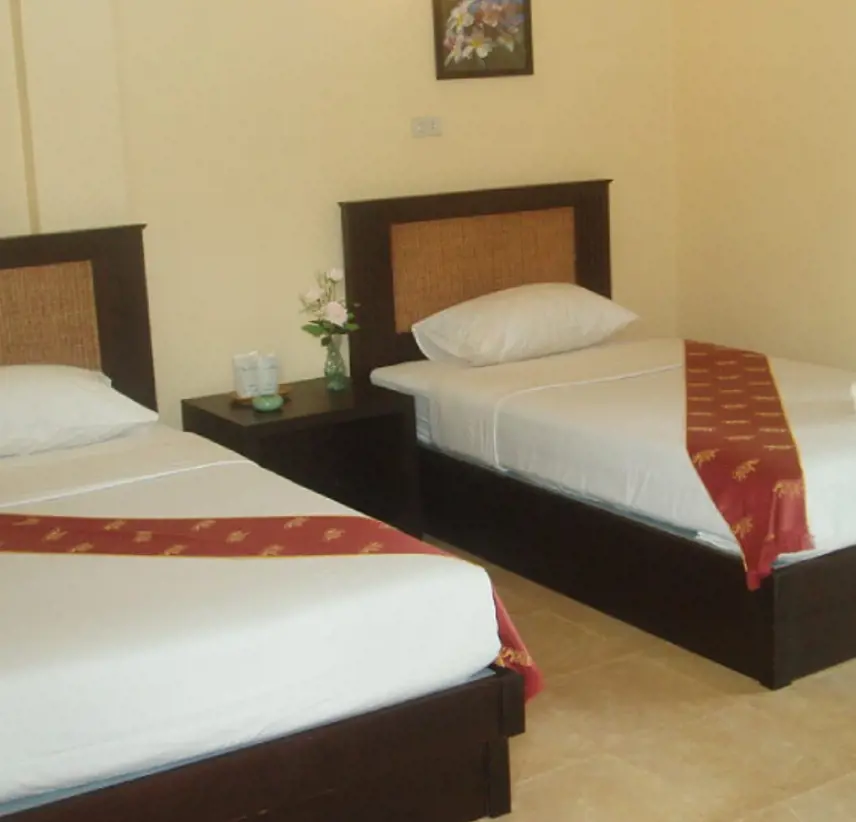
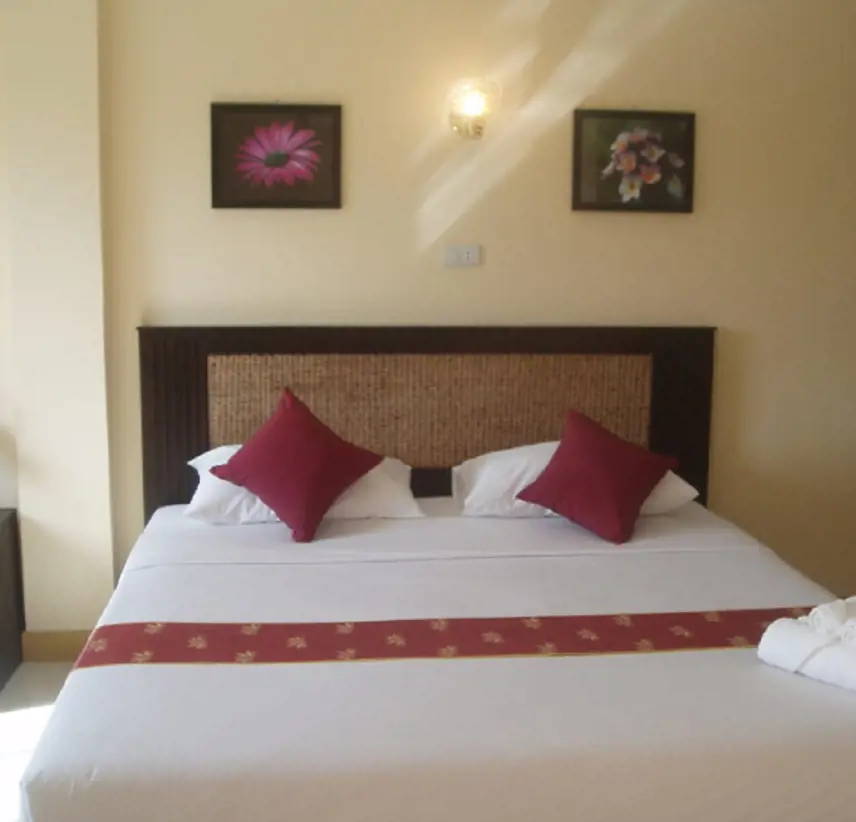
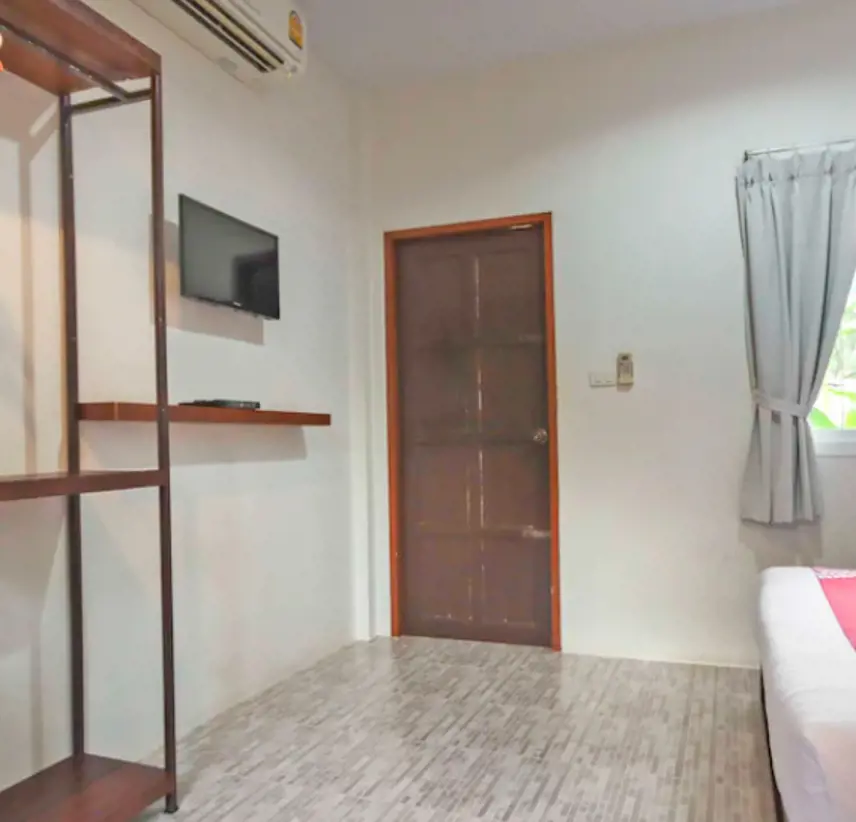
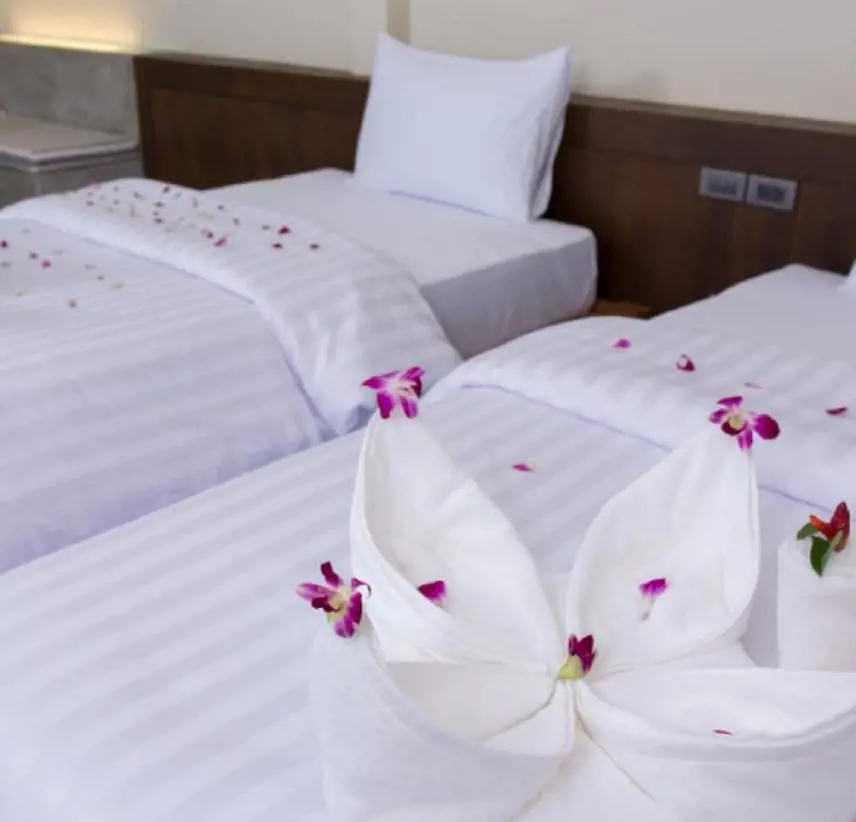
Standard Package
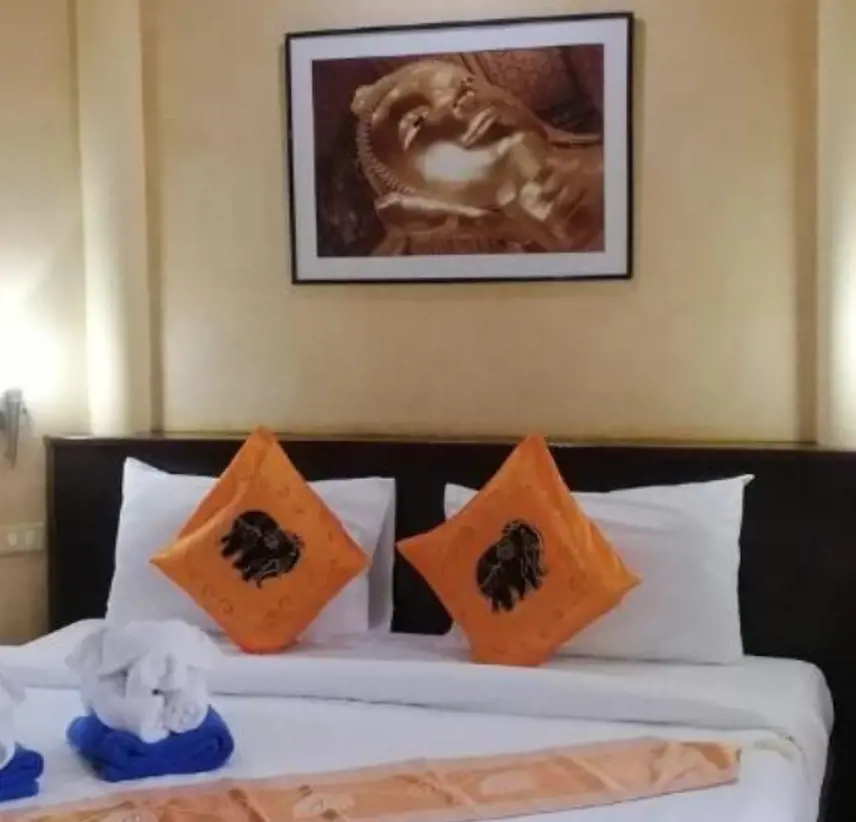
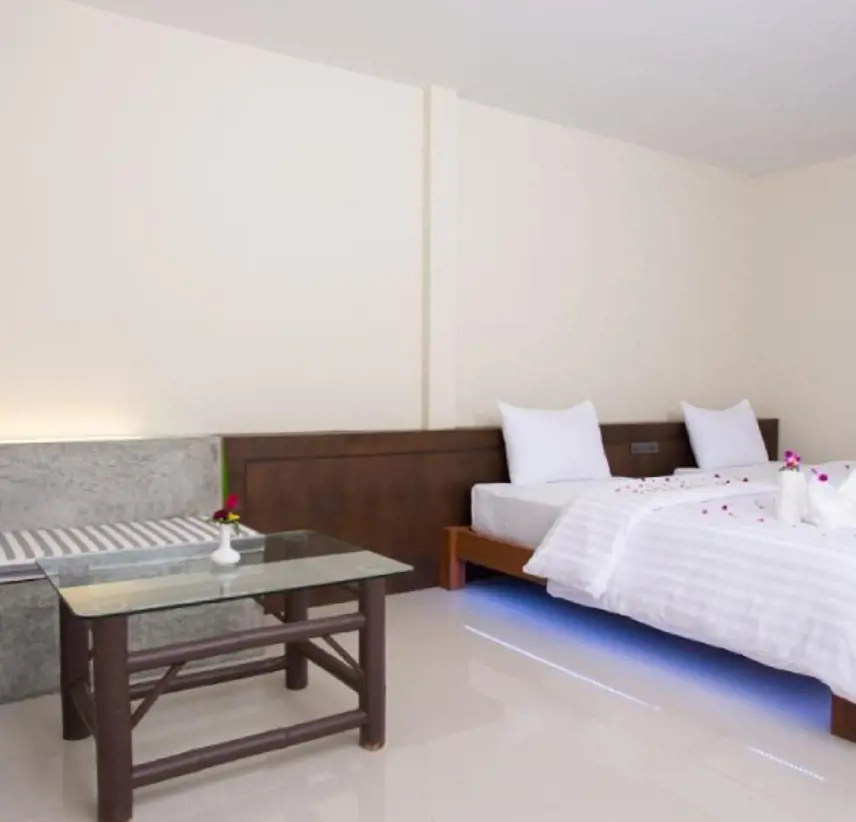
Train hard and stay comfortably. This budget-friendly package includes quality accommodation close to the gym with clean, air-conditioned rooms. Perfect for dedicated trainees and long-stay students who want authentic Muay Thai, great value, and easy access to daily training without any fuss.
- AC
- Fridge
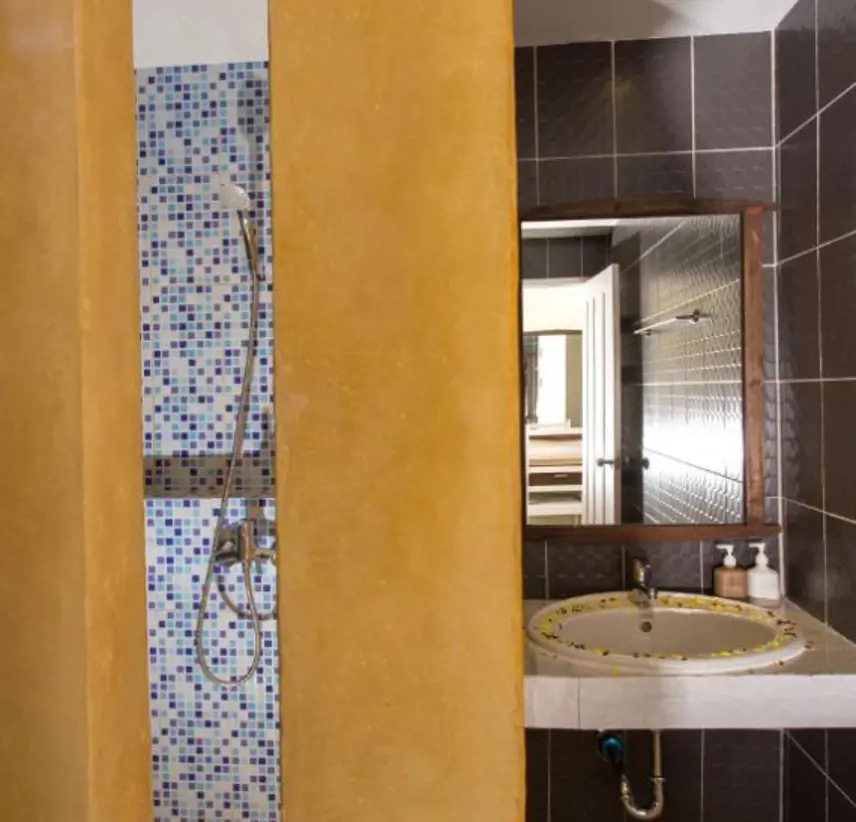
- Private bathroom with hot water
- Free WIFI
- A few minutes' walk from gym
- Self-catering
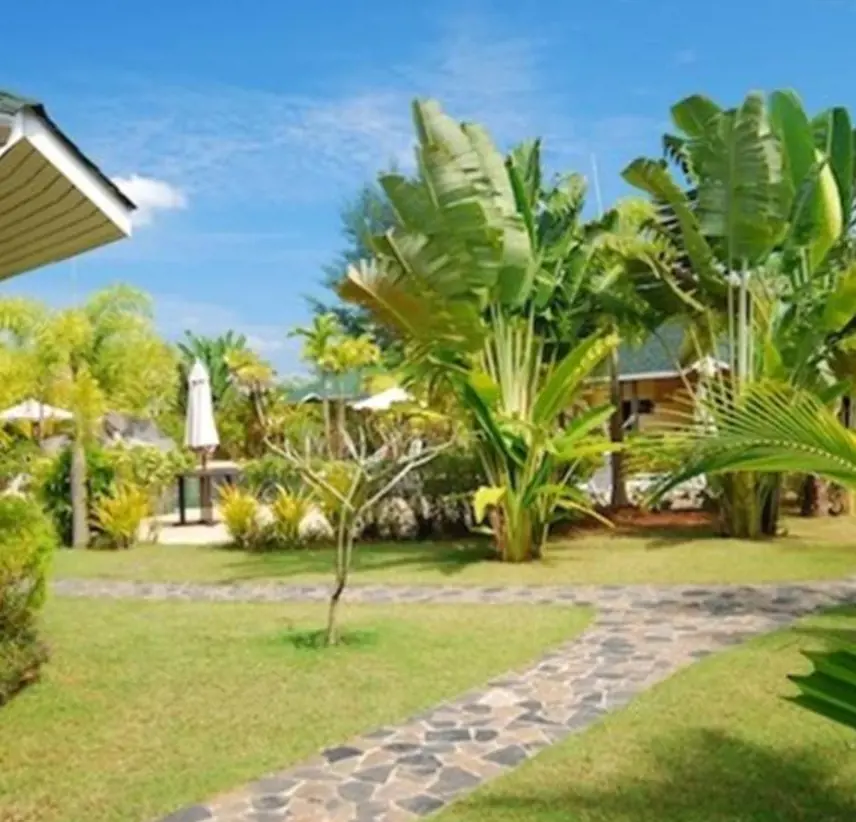
Deluxe Package
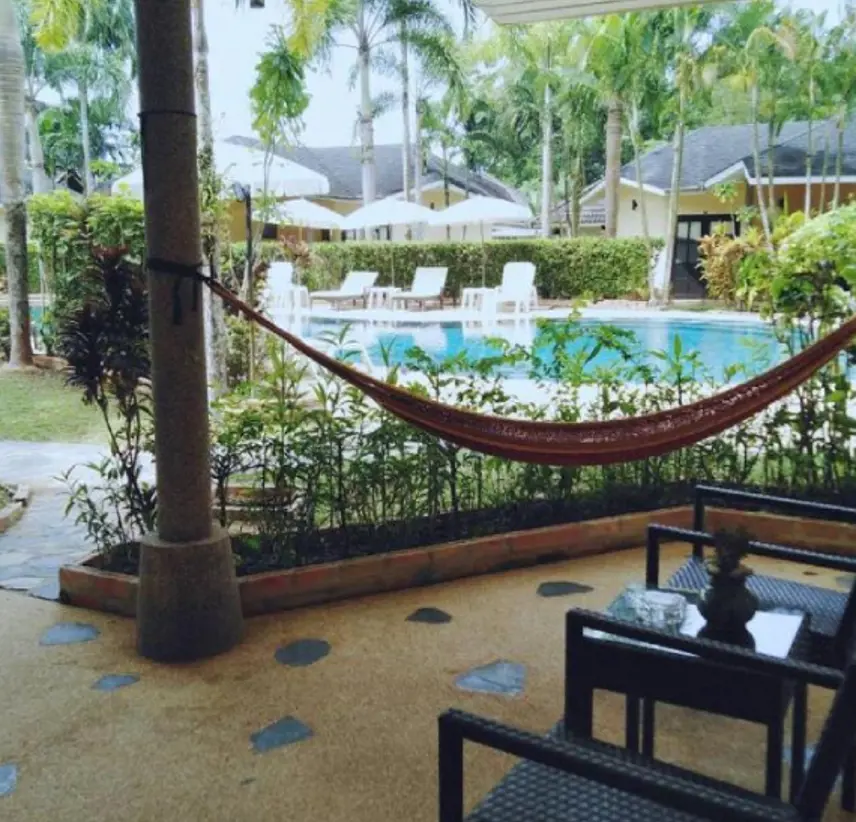
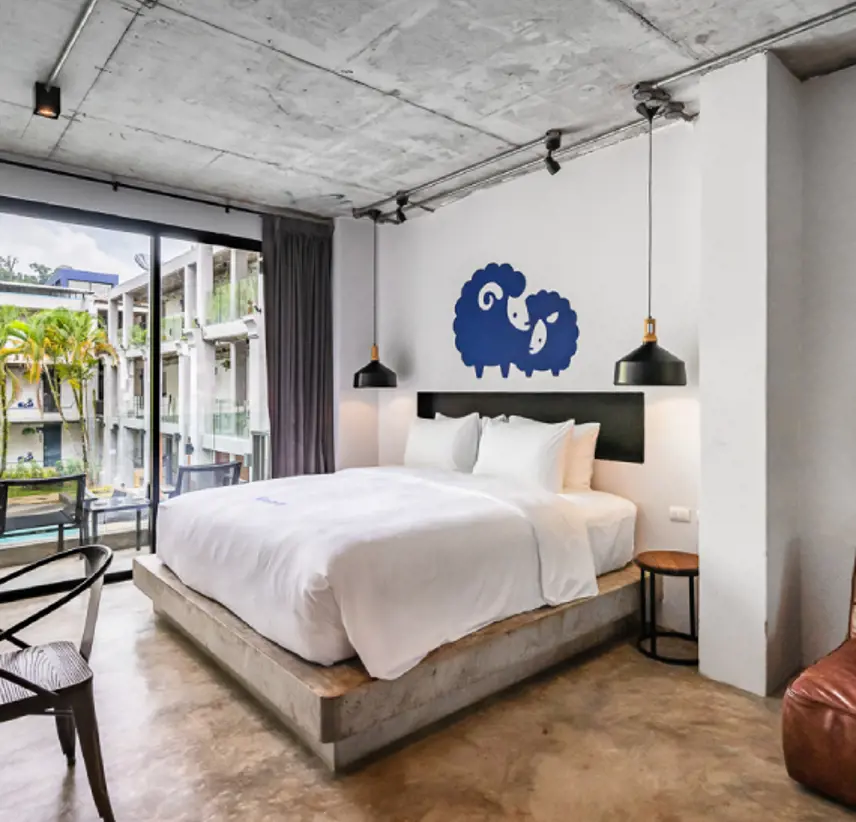
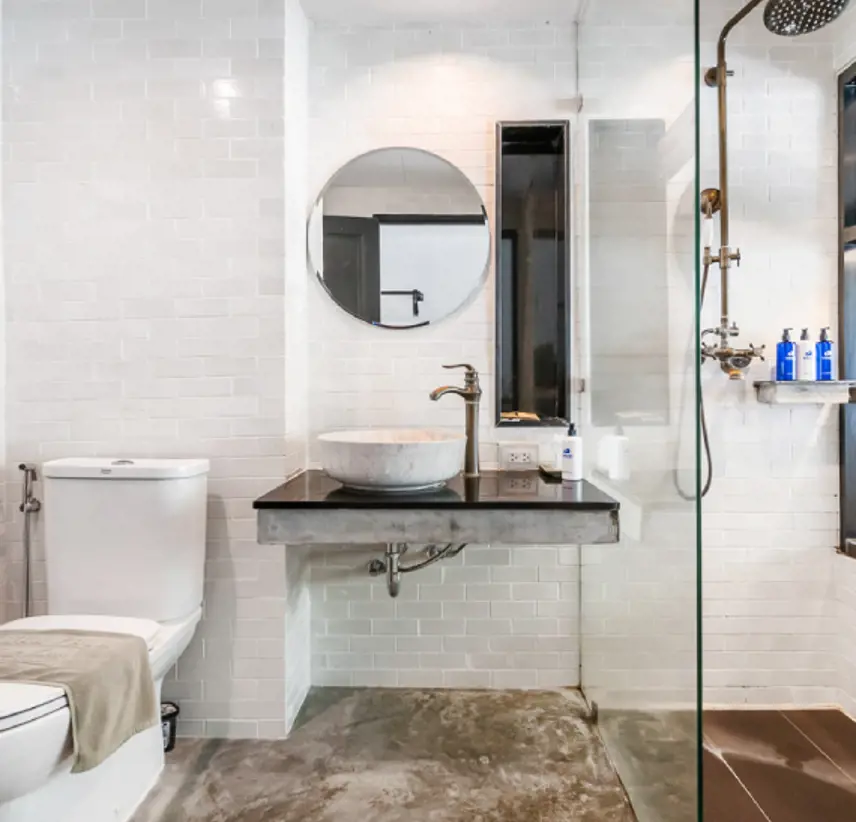
Enjoy training and relaxation in equal measure. This package offers comfortable modern rooms with pool access in a peaceful setting near the gym. Ideal for couples and longer stays who want a relaxed tropical atmosphere alongside high-quality Muay Thai coaching.
- AC
- Fridge, kettle, coffee/tea in the room
- Private bathroom with hot water
- Free WIFI
- A few minutes' walk from gym
- Breakfast: optional
- Daily cleaning

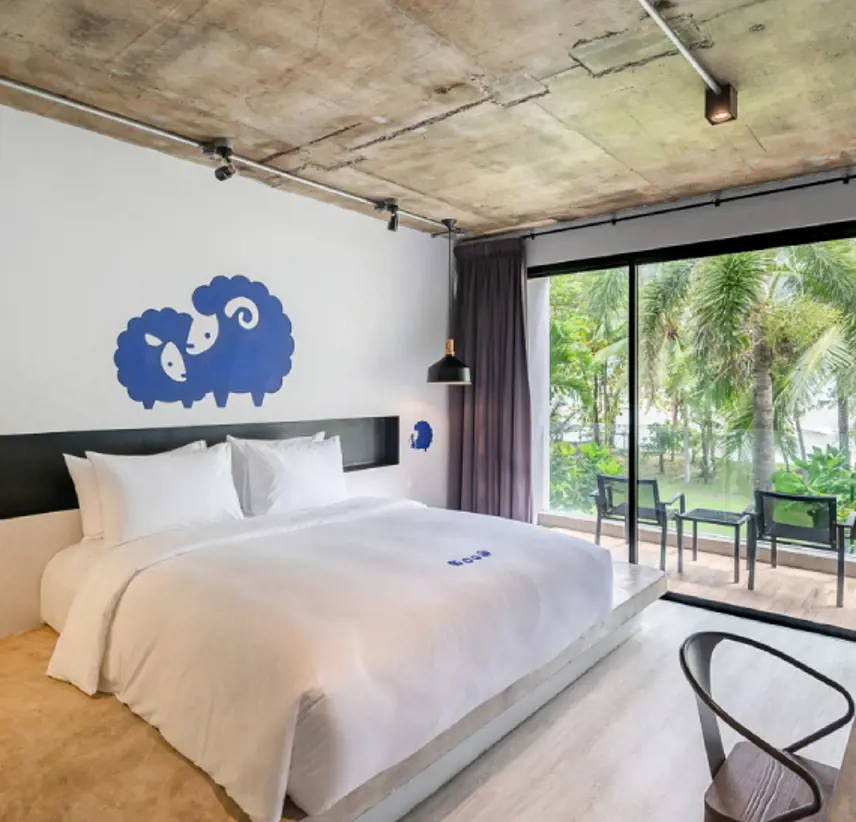
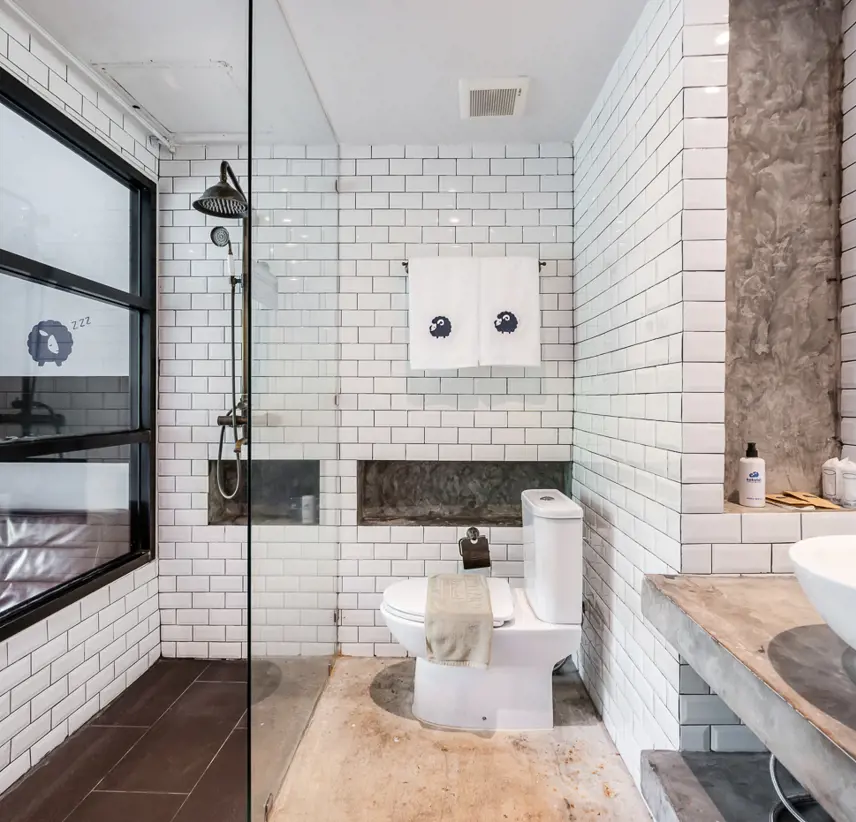
Luxury Package
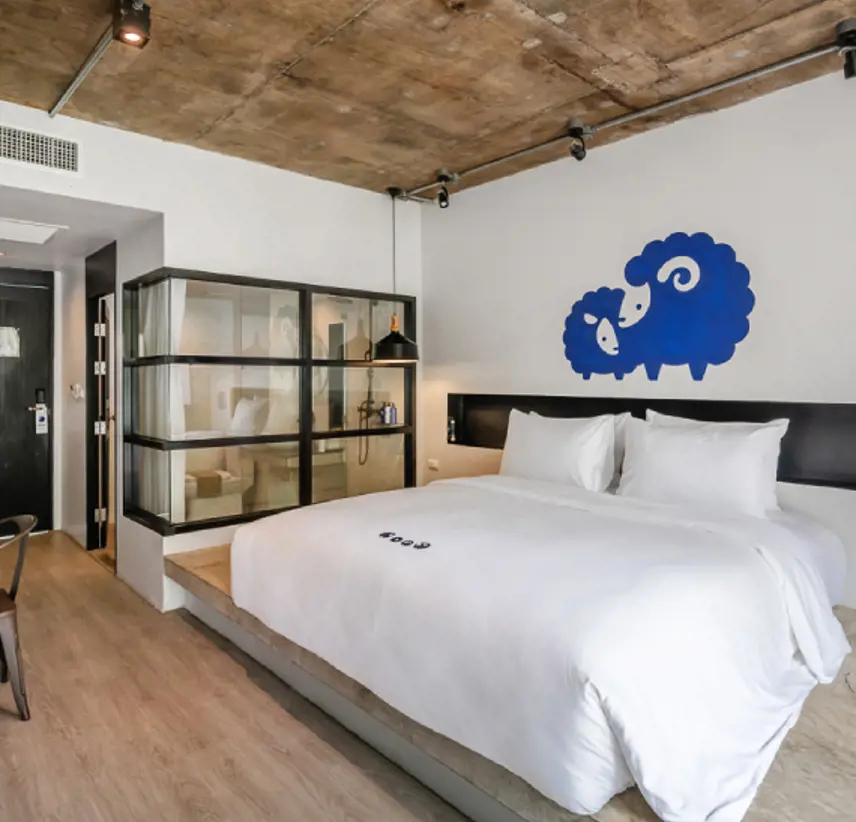
Train hard by day and unwind in style. This premium package includes modern accommodation with resort facilities and sea views. Perfect for couples and long-stay students who want extra comfort, beautiful surroundings, and easy access to world-class training.
- Deluxe rooms wit AC
- Fridge, kettle, coffee/tea in the room
- Private bathroom with hot water
- Free WIFI
- Beachfront
- 15-20 minutes walk from the gym
- Breakfast included
- Daily cleaning
Custom lengths and fight camps available. Prices are per person, twin share. Single supplement on request. Contact us for current Agoda-linked deals and long-stay discounts.
Phuket’s Most Popular Camps: Tiger Muay Thai, Sinbi Muay Thai and Rawai Muay Thai Compared
Phuket hosts the highest concentration of Muay Thai camps in Thailand, and three names come up repeatedly in traveller discussions.
Tiger Muay Thai in Chalong stands out for its sheer scale and variety. The facility runs over 150 classes per week across Muay Thai, MMA, BJJ, fitness, yoga and more. Multiple trainers supervise each Muay Thai session, which helps with individual feedback even when numbers are high. Accommodation packages make it easy for first-time visitors, and the social calendar (including fight nights and community events) creates a lively atmosphere. It suits people who thrive in a big, energetic environment with lots of cross-training options.
Sinbi Muay Thai, located near Nai Harn Beach in Rawai, maintains a strong reputation for authentic Muay Thai with experienced trainers who have championship backgrounds. The large open-air gym includes three competition rings and plenty of bags. Classes follow a clear structure that suits all levels, and the family-style atmosphere earns consistent praise. The proximity to one of Phuket’s most beautiful beaches is a genuine bonus for recovery and downtime. It works well for travellers seeking serious training without sacrificing holiday vibes.
Rawai Muay Thai has operated since 2003 and positions itself as a community-focused, family-run camp rather than a large commercial operation. On-site bungalows, a pool, and massage services create a self-contained environment. Many students highlight the personal attention and welcoming vibe for travellers of all ages and abilities. The gym also offers Muay Boran elements and maintains strong ties to traditional teaching methods.
Each of these camps serves different needs. Tiger excels when you want maximum variety and social energy. Sinbi delivers solid traditional training with good beach access. Rawai offers a more intimate, long-established community feel. The right choice depends on whether you prioritise facilities and numbers or personal connection and focused technique.

Peaceful Alternatives: Khao Lak and Other Hidden Gems Across Thailand
Not everyone thrives in a busy tourist area. Many experienced trainees now seek quieter locations that allow deeper focus and faster recovery between sessions.
Khao Lak in Phang Nga province stands out as an excellent choice for authentic training in a serene setting. Khao Lak Muay Thai & Muay Boran offers world-class trainers with extensive fight experience in a close-knit family atmosphere. Students receive personal attention in smaller groups, with training that blends modern Muay Thai and traditional Muay Boran techniques. The beautiful beaches, national parks, and relaxed pace make it ideal for meaningful progress without the intensity of Phuket's busier scene. Many visitors note how such camps help with accommodation, visas, and overall support, creating a genuine sense of belonging.
Further north, Chiang Mai camps attract people who prefer cooler weather and a strong cultural scene. Many smaller gyms there emphasize technical precision and offer a more relaxed daily rhythm. Bangkok gyms, particularly those connected to the professional fight circuit, suit experienced fighters who want regular sparring against high-level opposition and easy access to stadium shows.
The key insight is simple: the biggest camp is not automatically the best camp. Many people return year after year to smaller, authentic gyms because the quality of instruction and sense of belonging matter more than the number of classes on offer.
Head-to-Head Comparison: Tiger, Sinbi, Rawai & Khao Lak Muay Thai
To help you decide quickly, here is a clear side-by-side comparison of the four standout camps discussed in this guide. Use it to match your priorities — whether that’s maximum variety, authentic technique, personal attention, or a peaceful setting for deep focus and recovery.
| Aspect | Tiger Muay Thai | Sinbi Muay Thai | Rawai Muay Thai | Khao Lak Muay Thai & Muay Boran |
|---|---|---|---|---|
| Location | Chalong, Phuket | Rawai (near Nai Harn Beach), Phuket | Rawai, Phuket | Khao Lak, Phang Nga (quiet beaches & parks) |
| Size & Vibe | Large commercial resort-style gym | Large traditional gym with family atmosphere | Medium-sized, long-established community camp | Smaller, peaceful family-run atmosphere |
| Training Focus | Muay Thai + MMA + BJJ + Fitness + Yoga | Authentic Muay Thai with structured classes | Traditional Muay Thai + Muay Boran | Muay Thai + Muay Boran, technique & fundamentals |
| Trainer Attention | Multiple trainers per session | Good trainer-to-student ratio, experienced Kru | High personal attention from family team | Excellent personal attention in smaller groups |
| Facilities | Excellent large facilities, indoor weights | Large open-air gym with 3 competition rings | On-site bungalows, pool, massage services | Well-equipped gym in beautiful natural setting |
| Accommodation | On-site all-inclusive packages | Nearby modern apartments with pool | On-site private AC bungalows + pool | Assistance arranging local villas & hotels |
| Best For | Variety, social energy, fitness enthusiasts, first-timers wanting options | Authentic training balanced with beach holiday | Intimate community experience, all ages & levels | Focused training, faster recovery, Muay Boran, escaping crowds |
| Unique Strength | Scale, cross-training variety & events | Strong championship-level Thai trainers | One of Phuket’s original family camps (est. 2003) | Serene location + traditional Muay Boran + personal support |
This table shows there is no single “best” camp — only the best fit for you. Many travellers start at a larger Phuket camp for the energy and later return to a quieter spot like Khao Lak for deeper immersion.
What a Typical Day at a Quality Muay Thai Camp Looks Like
Most well-run camps follow a similar rhythm that balances hard work with necessary recovery. A common schedule starts early with a morning run or skipping session, followed by technique work, pad rounds, and bag work. Afternoon sessions often focus on clinch, sparring, or strength and conditioning. Evenings are usually free for rest, massage, or light stretching.
Good camps adjust the intensity based on your experience. Beginners receive extra instruction on stance, footwork, and basic combinations. More advanced students get challenging pad work and controlled sparring. The best Kru notice when someone is pushing too hard and will scale sessions appropriately to avoid injury.
Nutrition plays a bigger role than many expect. Camps that provide or recommend good local food help trainees recover properly. Hydration and sleep become non-negotiable when you train twice a day in the heat. Many students also discover that the social side — eating together, watching fights, or simply chatting after training — forms some of the strongest memories of the trip.
Practical Tips for Planning Your Muay Thai Training Trip
Book accommodation and training together when possible, especially for your first visit. All-inclusive packages remove a lot of daily decisions and usually work out cheaper than arranging everything separately.
Pack light but practical: good running shoes, hand wraps, a mouthguard, and comfortable training clothes. Most gyms sell or rent gloves and shin guards, though bringing your own ensures the right fit. A small backpack for daily essentials and a reusable water bottle make life easier.
Visa requirements depend on your nationality and length of stay. Many camps can advise on Education (ED) visas for longer training periods. Health insurance that covers martial arts is strongly recommended.
Listen to your body, especially in the first week. The combination of heat, humidity, and increased training volume catches many people off guard. Rest days and proper recovery work are part of smart training, not signs of weakness.
Finally, approach the experience with respect. Wai properly, listen carefully to instructions, and remember that Thai trainers invest genuine care in students who show respect and effort.

The real value of training Muay Thai in Thailand lies not in how many techniques you learn, but in the discipline, humility and sense of community you take home with you.
Frequently Asked Questions
Frequently Asked Questions
Is Muay Thai training suitable for complete beginners?
Yes. Every reputable camp welcomes beginners and will adapt sessions to your current fitness and skill level. Many students start with zero experience and make rapid progress when they train consistently in a supportive environment.
How much does a Muay Thai training camp in Thailand typically cost?
Prices vary widely. Expect to pay roughly 300–600 THB per group class or 2,000–5,000 THB per week for training only. All-inclusive packages with accommodation and meals at larger Phuket camps often range from 15,000–40,000 THB per week depending on room standard and season.
Should I choose a big commercial camp or a smaller traditional gym?
It depends on your personality and goals. Larger camps like Tiger Muay Thai offer excellent facilities, variety and social energy. Smaller or family-run gyms often provide more personal attention and a stronger focus on traditional technique. Many people try both and discover they prefer the quieter vibe for longer stays.
Can I train Muay Thai and still enjoy a holiday?
Absolutely. Most camps run morning and evening sessions with afternoons free. You can combine training with beach time, sightseeing, massages and good food. The key is choosing a camp whose schedule and location match the balance you want.
Do I need to be very fit before arriving?
A basic level of fitness helps, but you do not need to be in peak condition. Good camps scale the intensity and will help you build fitness safely during your stay. Many beginners are surprised by how quickly their conditioning improves when they train regularly in Thailand’s climate.
Is it possible to fight while training at a camp?
Some camps organise or support amateur fights for students who are ready. Others focus purely on training and personal development. Discuss your goals with the gym in advance so they can guide you appropriately.
“This is my second time here and I’m staying a full year on my DTV visa. The friendly atmosphere, world-class coaching, and genuine family feeling have made this my home away from home. Best decision I’ve made for my Muay Thai journey.”
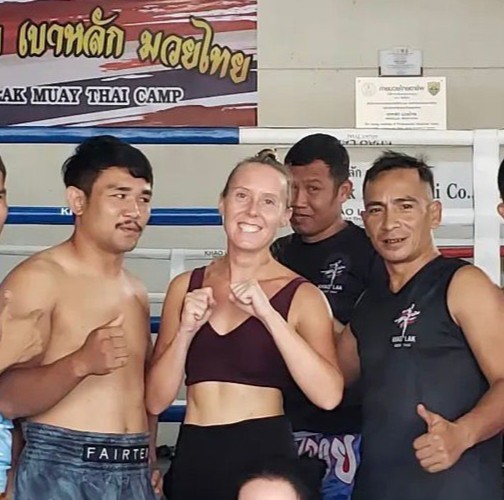
“As a gym owner and serious martial artist from Germany, I was genuinely impressed by the authentic, high-level training and the real family atmosphere. Winning two fights while training here was a highlight – the coaching and support made all the difference.”
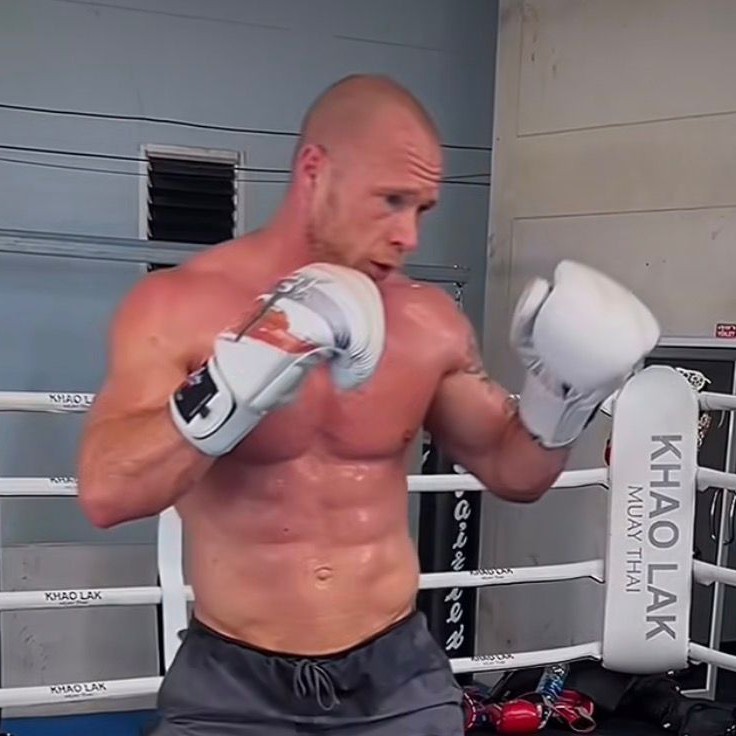
“Every year I come back to Khao Lak Muay Thai it feels like returning to family. The coaches treat me like their little sister, the atmosphere is so warm and friendly, and the training quality is consistently excellent. I wouldn’t train anywhere else.”